Forkorus Yaboisembut and Edison Waromi, in their own name and on behalf of the West Papuan people.
TO:
the Secretary-General United Nations Mr. Ban Ki-moon,
the EU high representative for foreign affairs Catherine Ashton,
former US president Bill Clinton,
the UN under-secretary general and emergency relief coordinator at UN OCHA Valerie Amos,
the US director if national intelligence James Clapper,
the Interpol president Khoo Boon Hui,
the US homeland security secretary Janet Napollitano,
former Filipno president Fidel Valdez Ramos, and
former prime minister Tony Blair.
18 March, 2012
Dear Madam,
Dear Sirs,
It is with great expectation that we learn that a most distinguished delegation where under your selves will visit Jakarta from March 19 until March 21 at the occasion of the next coming Jakarta International Defense Dialog.
The undersigned Forkorus Yaboisembut and Edison Waromi take the opportunity of this next coming visit to address in their personal name as well as on behalf of the West Papuan people the present Open Letter to the World leaders.
Both undersigned are presently under illegal detention in Jayapura in West Papua for no other reasons than making continuous efforts for human rights, democracy and self-determination for West Papua. They are individually victims of violations of Human Rights, such as the people of West Papua are collectively victims of violations of Human Rights.
The undersigned both being in jail, they address by this Open Letter a cry for obtaining the so-needed special attention of the world leaders, especially since instructions were given by the Indonesian authorities (on the date of 9 February, 2012, at 10am, in the Ashton Hotel Papua in Jayapura, in the presence of Indonesian Army chiefs, Police chiefs, the Governor of Papua, Policy Information Services, BIN, BAIS, BMP and others), in order not to refrain from violating Human Rights in the framework of the ongoing process for treason against both undersigned. Also, the message was given by officials to the judges present at that meeting of 9 February, 2012, to give no room for any defense to the defendants and lawyers of the undersigned for the defense of their case.
Being without any normal legal defense as should be allowed, this Open Letter goes beyond the only matter of Human Rights and self-determination for the West-Papuan people.
It is the very hope of the West Papuan people and the undersigned that the honorable delegation at the Jakarta International Defense Dialog will not turn around and no longer ignore the major problems West Papua is facing due to the absence since decennia of a fair and democratic approach of handling Human Rights and rights to self-determination towards West Papua, as well as a fair repartition of wealth towards West Papua (see infra).
It must unfortunately be said that the successive Indonesian regimes and their successive Governments have never been politically prepared to give fair chances for introducing human rights, democracy and self-determination to West Papua.
The Indonesian regimes and their successive Governments have totally neglected and continue to neglect the under the rules of international public law most respectable and fundamental aspirations of the West Papuan people to their basic rights which are fully consistent with the Universal Declaration of Human Rights and other applicable instruments in the field of Human Rights law.
The political motivations of the undersigned are only those directly related to basic Human Rights and those protected by the International Covenant on Civil and Political Rights, adopted by the United Nations General Assembly held in New York on 16 December 1966 which became into force on 23 March 1976, and to which the Republic of Indonesia acceded on 23 February 2006.
The undersigned act in good faith in accordance with the principles of Human Rights, and nothing in the present Open Letter stands contrary to the provisions of the United Nations Charter.
Hereunder follows a non-exhaustive list of several aspects of violations of Human Rights occurred, ongoing and/or with a high risk of re-occurring:
the denial of the right of self-determination,
the rights of indigenous people,
the rights of minorities,
arbitrary detention,
enforced and involuntary disappearances,
extrajudicial summary or arbitrary executions,
torture and other crual or inhuman or degrading treatment or punishment,
the right to food,
the freedom of peaceful assembly,
the freedom of opinion and expression,
the right of access to the territory for journalists,
the right to environmentally sound management and disposal of hazardous substances and waste,
the right to safe drinking water,
violence against women
For the sake of good order and comprehension follows here a recapitulation of the history and situation of generalized violations of Human Rights by Indonesia towards West Papua, and the denial of self-determination for West Papua by Indonesia.
In 1969 the Indonesian government, after having received from the United Nations the provisional administration over West Papua, organizes the so-called “Act of Choice”;
The “Act of Choice” took place under conditions totally the opposite of the right to self-determination;
The conditions under which the “Act of Choice” took place were totally the opposite of those decided by the UN for letting the people of West Papua freely express themselves on their future political regime;
During the years after the “Act of Choice” and up to now the West Papuan population has on a continued basis reminded that the “Act of Choice” has taken place under falsified and non-democratic conditions;
The procedure for determining the future of West Papua therefore never took place under conditions which may make expire the basic civil and political rights of the West Papuan indigenous people;
The West Papuan indigenous people still have their rights to decide on the way they choose for self-determination;
The United Nations General Assembly has in 1969 acted the result of the” Act of Free Choice” and has given execution to that result;
This meant that West Papua became annexed to the Republic of Indonesia as an integral part of Indonesia;
West Papua therefore was forced to stay in a colonial system;
Only the Rule was substituted;
What happened to be the Dutch Rule was substituted or exchanged into an Indonesian Rule;
The legal result in terms of International Public Law is that West Papua never lost its rights to step out of the colonial system;
The West Papuan people under the present system being annexed and fully integrated in the Republic of Indonesia still has its full rights for self-determination, as well as its civil and political rights;
Those rights for self-determination follow the particularities of the West Papuan people;
It is not contested that the West Papuan people is distinguished from Indonesia;
The West Papuan region is by geography totally separated from Indonesia;
The ethnic origins of the West Papuan people are Melanesian, and not Indonesian;
The language spoken is also from origins totally different from the official Indonesian language;
On the religious side, 80 % of the West Papuan people are Christian, the same percentage is trough for the Islamic people of the total of Indonesia;
The fundamental differences with Indonesia were already recognized by the former Dutch colonizer;
The former Dutch colonizer therefore organized its administration over West Papua totally separated from its administration over Indonesia;
Indonesia obtained independence in 1949;
This independence took place without any link to a possible annexation of West Papua to Indonesia;
This independence also happened without any demand or claim from Indonesia for an annexation of West Papua;
At the moment of the preparation of Indonesia’s independence there was also no demand neither a suggestion from The Netherlands to annex West Papua to Indonesia at the occasion of the independence of Indonesia;
West Papua then stayed without any change under the Dutch Rule;
West Papua came only in 1963 under certain and by the United Nations well defined conditions temporarily under the administration of Indonesia;
No decision by the United Nations General Assembly can take away from any people its basic rights for self-determination, as well as its civil and political rights;
The people of West Papua therefore never have lost their rights for self-determination, civil and political rights, neither to free themselves from colonialism;
The fault for that infringement to non-contested rights and principles of Human Rights is the non-contestable falsification by the Republic of Indonesia of the conditions imposed for a fair and democratic organization of the ”Act of Free Choice”;
The Republic of Indonesia is fully responsible for the situation whereby West Papua has never had the occasion to make use under fair circumstances, and following a democratic way, of its fundamental rights for leaving the colonial system;
The fact that the United Nations General Assembly in 1969 has not refused the results of the “Act of Free Choice” as presented to the General Assembly can in no way do expire the basic Human Rights of the people of West Papua;
The fact that the United Nations General Assembly of 1969 has given the administration of West Papua to Indonesia, West Papua becoming by this an integral part of Indonesia does in no way do expire West Papua’s rights to self-determination and come out from a colonial system;
The West Papuan people did never lose and can never lose their internal rights for self-determination;
The internal right to self-determination is a non-contested right of International Public Law;
West Papua moreover also fulfills the conditions for external rights to independence following the United Nations Resolution 2625 of 1970.
Protection to territorial integrity of a State then indeed became conditioned by the state’s behavior in conformity with the principle of equal rights and self-determination, and governance by a Government representing the whole of the State’s population without discrimination on grounds such as race, religion or color.
Indonesia has at the occasion of its accession to the so-called BUPO Covenant (see below) made most clear that it indeed fails to respect the conditions imposed for making use or benefitting of the protection of territorial integrity;
In no way one may ascertain or accept that the West Papuan people has been in the situation to participate actively and effectively to its self-determination, as well as to the decision making on the way it would be administered;
The opposite has happened;
The by Indonesia in 2001installed Autonomy Act can under International Public Law never be a substitute to the basic Human Right of self-determination, neither a substitute to basic Civil and Political rights;
The Autonomy Act moreover was used by the Indonesian Government as an instrument for further administering the West Papuan people in a way that is not corresponding to comply with effective Human Rights;
This became very soon clear and the Autonomy Act was refused by the West Papuan Congress after 4 years of giving it a fair chance;
It cannot be denied that infringements against Human Rights occurred in various domains;
These domains are mentioned here above;
Infringements against Human Rights are still ongoing or present a high risk of re-occurring;
Moreover, Indonesia has effectively shown that its administering of the West Papuan people and way of internal and international law making process is one of window dressing and lacks any legal ground;
Indonesia has acceded to the so-called BUPO Covenant on 23 February 2006;
Indonesia has however at the occasion of its accession to the BUPO Covenant excluded article one of the effects of its accession;
Article one of the BUPO Covenant read as follows:
50.1. 1. All peoples have the right of self-determination. By virtue of that right they freely determine their political status and freely pursue their economic, social and cultural development.
50.2. 2. All peoples may, for their own ends, freely dispose of their natural wealth and resources without prejudice to any obligations arising out of international economic co-operation, based upon the principle of mutual benefit, and international law. In no case may a people be deprived of its own means of subsistence.
50.3. 3. The States Parties to the present Covenant, including those having responsibility for the administration of Non-Self-Governing and Trust Territories, shall promote the realization of the right of self-determination, and shall respect that right, in conformity with the provisions of the Charter of the United Nations.
51. Indonesia has however made the following Declaration at the occasion of its accession to the BUPO Covenant :”With reference to Article 1 of the International Covenant on Civil and Political Rights, the Government of the Republic of Indonesia declares that, consistent with the Declaration on the Granting of Independence to Colonial Countries and Peoples, and the Declaration on Principles of International Law concerning Friendly Relations and Cooperation Among States, and the relevant paragraph of the Vienna Declaration and Program of Action of 1993, the words “the right of self-determination” appearing in this article do not apply to a section of people within a sovereign independent state and cannot be construed as authorizing or encouraging any action which would dismember or impair, totally or in part, the territorial integrity or political unity of sovereign and independent states.”
Indonesia has by acting in this way put itself aside and above basic Human Rights;
Indonesia has by such exclusion clearly showed its way of administering the West Papuan people, i.e. by excluding them from basic Human Rights;
One must even recognize that Indonesia’s Declaration excluding the full application of article one of the BUPO Covenant is without any legal effect since such Declaration totally brings to zero a most substantial part of the covenant;
Also, the wording used by Indonesia in its Declaration at the occasion of its accession to the BUPO Covenant would imply all of the states having ratified or accessed to the BUPO Covenant (see last word “states”), what of course makes null the total of its Declaration, and therefore leaves without any legal incidence or impact its Declaration.
The conclusion of the foregoing is that Indonesia, even while accessing to international treaties relating to Human Rights, takes the occasion to exclude the West Papuan people from basic Human Rights such as the right to self-determination, as well as Civil and Political rights;
This state comportment of Indonesia is an infringement of basic articles of the United Nations Charter, and for membership-conditions of the United Nations Organization.
The undersigned apply for all appropriate further actions by the world leaders at the occasion of the from March 19 until March 21 Jakarta International Defense Dialog, and their recognition that the West Papuan situation must be resolved in accordance with all the West Papuan rights to self-determination as well as Human Rights, without any exception whatsoever.
The undersigned confirm their wish to re-establish normal speaking terms with Indonesia, and make workable a new modus vivendi for the future and welfare of West Papua and its people, as well as all of the stakeholders of its economic actors.
In this framework the undersigned aim to be directly involved in the announced renegotiations of mine-, gas-, and oil contracts recently cited as political priority by the competent Minister of Energy, his Excellency Jero Wacik.
For the whole of this subject of renegotiations of mine-, gas-, and oil contracts, the undersigned aim for starting urgently a neutral audit by a reputed international audit firm they will choice for an examination in depth of the application that was given regarding the 70 to 80% repartition of wealth as part of the Autonomy Act since 2001.
The undersigned do hope that indeed their action may lead to a better re-distribution of wealth, and more prosperity to all stakeholders, at all levels, in total conformity with international private and public law.
In that sense the undersigned have asked to the ILO in Geneva for assisting them in order to establish well regulated labor organizations under UN norms.
Also, the undersigned are delighted to learn about a revival of economic interest in the region, and the visit of entrepreneurs of the private sector. The undersigned aim to be associated and to actively take part to the discussions in that matter.
The undersigned do hope that in agreement with the World leaders, the Presidency, Vice-Presidency, and the entire Government of Indonesia, one may enter into most prosperous relations between parties for all of the issues mentioned above.
After a period of Dutch control, possession of West Papua was handed to Indonesia in a deal brokered by the US. This deal, known as the New York Agreement of 1962, promised West Papuan self-determination which led to the 1969 Act of Free Choice. This act, later branded as the “Act of No Choice”, was stripped of any legitimacy as a little more than 1000 hand-picked West Papuans representing a population of close to one million voted unanimously under military threats and coercion to retain Indonesian sovereignty. Reported incidents of human rights abuses inflicted on the West Papuan people at the mercy of the Indonesian military includes widespread violence, killings, torture, disappearance, rape, sexual violence, transmigration schemes, forced relocation, and the spread of infectious diseases such as HIV which has seriously harmed the existence of the West Papuan people. This article is a newspaper analysis of the Jakarta Globe, The New Zealand Herald, and The Sydney Morning Herald media coverage. Nigel Moffiet reports.
ANALYSIS: It can be argued that Indonesian abuses in West Papua are crimes consistent with the 1948 Convention on the Prevention and Punishment of the Crime of Genocide as a consequence of exploitation, transmigration, West Papuan displacement, targeted military brutality at West Papuan communities, and the systematic spread of infectious diseases. Given genocide is not a term to use lightly extreme caution must be made in using the label so as to avoid “the risk of setting up taxonomies of genocide, or opening crucial space in debates for re-engaging precisely the kinds of discourses that enable and naturalise it in the first place” (Banivanua-Mar, 2008, p. 586). Yet, the debate is taken seriously with the interests of ‘prevention and restitution rather than simply definition in order to “more effectively work backwards to a deeper and more practical understanding of how genocide happens” (Banivanua-Mar, 2008, p. 596-597). In this context, I also carry out media analysis and reportage of West Papuan human rights abuses and the question of genocide by The Jakarta Post, The New Zealand Herald, and The Sydney Morning Herald.
Analysing human rights abuses within West Papua involved searching for the words “West Papua” and “genocide” within the archives of the three newspapers’ respective search engines. Surprisingly, the Jakarta Post had the most content fitting this description with 25 articles, followed by the Sydney Morning Herald with five articles and The New Zealand Herald with six.
Exploitation of West Papuan land and resources
The province of West Papua is rich in natural resources and since Indonesian rule government and military officials have been involved in the extraction this wealth through mining and forestry. The consequences of this exploitation has been dire for the Papuan people and has led to human rights abuses as observed by West Papuan campaigner John Rumbiak who stated that “all abuses in West Papua were caused by military and police presence aimed at protecting mining firms, forest concessions and timber estates exploiting natural resources”(Wing & King, 2005, p. 2).
Part of the systematic abuse towards the Melanesian people of West Papua included denying them the right to work or gain any wealth from their own natural resources in favour of generating work and wealth for the Indonesian Javanese population. On a 1980 visit to West Papua, a US professor noted a “planned influx of Indonesian workers, including more than 2000 families that were scheduled to be ‘dropped’ near two major oilfields in order to implement a ‘policy of non-employment of Melanesians in the oil industry’” (Brundige et al, 2004, p. 26). This is also evident in the US-ownedFreeport copper mine which in 1982 employed 452 expatriates, 1859 Indonesians, and only 200 Papuans who were employed as unskilled laborers” (Brundige et al, 2004, p. 26).
Intensifying the problem is the relocation of villages due the seizure of land. In June 1980, the Amungme tribe from the Tembagapura region were relocated to a coastal area that had widespread malaria creating an epidemic that killed 216 children. Freeport failed to provide food or medicine during the epidemic and the Indonesian government failed to assist despite the official acknowledgement of the epidemic” (Brundige et al, 2004, p. 26-27).
The exploitation of West Papua’s timber resources and exploitation of West Papuan labour is another problem with evidence of serious breaches of human rights. One of the documents of abuse includes the relocation of the Asmat tribe from the southern coast of West Papua by Jakarta-based timbre companies. The Asmat people were forced into compulsory labour which included the deforestation of their own land at below-subsistence wages with threats of arrest for those who refused to work. This relocation and enforced labour within the timber industry had such an impact that an Indonesian environmental group warned that the Asmat people were “on the brink of cultural starvation after a decade of enforced ironwood logging” (Brundige et al, 2004, p. 28).
A major 2005 report by Indonesian based environmental organisation Tilapia and the UK and US-based Environmental Investigation Agency found that the Indonesian military and government officials are involved in the illegal smuggling of up to 300,000 cubic meters of timber a month from Papua to China. This illegal smuggling is valued at more than US $1 billion (Wing & King, 2005, p. 4).
Transmigration and West Papuan displacement
As well as forcing many West Papuan tribes and communities from their land in order to exploit natural resources, Indonesia has also carried out systematic transmigration policy that has been designed to strip the West Papuan people of their identity making them minorities on their own land. By the end of 1984, the Indonesian government had set up 24 transmigration sites across 700,000 hectares of reappropriated West Papuan land. This resulted in 27,726 Indonesian families relocating on West Papuan land; close to 140,000 people over 10 years. Further more, the Indonesian government required that “Papuans be dispersed, with one Papuan family to every nine Javanese families, thus ensuring that the Papuans would become a minority in each area” (Brundige et al, 2004, p. 33).
This has resulted in the marginalisation of West Papuans within the cities as second class citizens to the extent that “propaganda posters sponsored by the ‘Project for the Guidance of Alien Societies’” urged the Papuans to relinquish their inefficient and primitive ways for the superior lifestyle of the Indonesians (Brundige et al, 2004, p. 34). As well as marginalisation within their own communities, transmigration has “led to the loss of traditional lands and forests where once local tribes used to hunt and gather food. There is no transfer of knowledge and technology to substitute for lost basic rights’ (Wing & King, 2005, p. 4).
Increased presence of Indonesian military
In a 2005, in a University of Sydney report for the West Papua Project, it was concluded that “the Indonesian armed forces (TNI) in Papua are the main source of suffering and instability in the province” (Wing & King, 2005, p. 2). Human rights abuses carried out by the Indonesian armed forces is only escalating as troop build up in the West Papuan region continues with incidents of rape, torture and extrajudicial killings. In 1981, the Indonesian military launched Operation Clean Sweep which resulted in rapes, assaults, killings, and looting of villages if anybody was suspected to be part of the Papuan independence movement Organisasi Papua Merdeka (OPM) (Brundige et al, 2004, p. 29). The operation aimed to “intimidate those suspected of supporting the OPM and to cleanse the boarder regions of Papua to make room for Javanese migrants”. Survivors of the operation reported that “whole families had been bayoneted to death and their bodies left to rot”. The Indonesian military also had the slogan: “Let the rats run into the jungle so that the chickens can breed in the coop.” By the summer of 1981 the operation escalated into the Central Highlands of West Papua were the Indonesian armed forces responded to suspected OPM activity by bombing the village of Madi in the Paniai basin. The attack included the use of napalm and chemical weapons against the villagers and killed at least 2500 people with estimates that the death toll could have even reached 13,000 (Brundige et al, 2004, p. 29).
Since then, Indonesian troop buildups have continued and between 2005 and 2009 up to 15,000 extra troops were deployed throughout the West Papuan region (Wing & King, 2005, p. 13). The result of this military buildup is that there is an increased level of human rights abuses and violent clashes between resistant West Papuans and the Indonesian military. This is catastrophic for local communities as the incidents are “used to justify the deployment of new troop reinforcements, which in turn lead to greater human rights abuses, reaction from aggrieved Papuans, then further militarisation. A dangerous and destructive spiral is thus perpetuated” (Wing & King, 2005, p. 7).
The spread of serious disease and HIV/AIDS
The disruption and upheaval to traditional West Papuan existence brought about through Indonesian colonisation and exploitation of the regions natural resources has also led to the spreading of serious disease. A Dutch missionary working in West Papua during the 1980s said infant mortality rates in the region were above 60 percent, and the average life expectancy no more than 31 years (Brundidge et al, 2004, p. 34). Of grave concern is the spread of HIV infection which is rising dramatically in the region to the extent that 40 per cent of Indonesia’s HIV and AIDS cases were located in Papua despite accounting for less than one per cent of Indonesia’s population. Another figure from 2002 shows that just over 20 people per 100,000 were infected with HIV in Papua, compared to only 0.42 people per 100,000 in the rest of Indonesia (Brundige et al, 2004, p. 34). Much has been suggested of Indonesia’s responsibility for the spread of such disease throughout the Melanesian population to the extent human rights groups say the spread of HIV is the result of systematic attempts to destroy the Melanesian population of West Papua. Interviews conducted with workers in Jayapura and Merauke who deal with prostitution and the spread of HIV suggest clear evidence “that there is security force involvement in prostitution at different levels” (Wing & King, 2005, p. 8). Leo Mahuye, a health worker in Merauke says HIV is spread by prostitutes who are brought in by the military to the extent that there is “an indication it is systematic killing…[a]s long as they are importing these women, as long as the military and the police back these activities here, they are committing killings” (Butt, 2005, p. 413).
The Jakarta Post
Searching for the words “West Papua” and “genocide” on The Jakarta Post’s online search engine returned 21 relevant articles between 2001 and 2011 relating to genocide and human rights abuses in the region. The articles were a mix of 14 opinion pieces and six news reports, as well as one question and answer article with West Papuan human rights campaigner John Rumbiak.
Of these 21 articles, one opinion piece and one news report both addressed the issue of genocide in the headlines. The first article published on 8 January 2001 titled “Is Indonesia becoming a genocidal society?” and despite its title it does more to contextualise the nature of genocide throughout history rather than draw any strong conclusions on West Papua. The article references the nature of genocide in Germany, Yugoslavia, Rwanda, and Burundi and makes the statement that the “cycle of genocidal society, which is already apparent in Maluku and other regions, must be broken by effective law enforcement measures”. The article makes this statement without any reference to West Papua or without further contextual evidence to back the statement up.
An article published on 19 August 2005 titled “RI condemns report by Aussie researchers on genocide in Papua” does more to address human rights abuses and genocide in West Papua in light of the University of Sydney’s Centre for Peace and Conflict Studies report Genocide in West Papua? The article provides diverging view points with Indonesia’s foreign ministry spokesman, Marty Natalagawa, calling the report “baseless” and Indonesia’s deputy military spokesman, Bibit Santoso, labeling the report “incorrect and untrue”. Yet the article uses more space quoting from the report and the centre’s director Stuart Rees, who says even though he is cautious using the word “genocide” this “significant document details the destruction of a people, their land and prospects”. The article also quotes one of Papua’s leading church figures, Rev. Socratez Yoman, who talks of the Indonesian military intimidation and says wherever there are Indonesian soldiers, “the militia and jihadists are there too. They are inseparable.”
There were five remaining news articles which addressed human rights abuses in West Papua and the issue of genocide through the sources that had been quoted. An article published on 8 April 2006 titled “Netherlands ‘respects’ RI territorial integrity” does little to address the issue of human rights abuse in West Papua rather it focuses mostly on the Dutch Prime Minister Jan Peter Balkenende’s recognition of Indonesia’s territorial integrity including Papua’s integration into Indonesia. It also focuses on Indonesian criticism of Australia’s decision to grant temporary visas to 42 Papuan asylum seekers. In this criticism the article mentions the Papuan activists have accused Jakarta of genocide.
A news article published on 20 May 2006 titled “RI asks Australia to recognise territorial integrity in treaty” focuses on Indonesia’s effort to ‘get assurances that no neighboring country will support the succession of Papua from Indonesia’ and asking for Australia to “express its commitment to Indonesia’s territorial integrity in a written agreement”. Once again the article does little to address issues of human rights in the region by failing to quote West Papuan sources. It only puts some context to the story by saying that the “Papuans, including pro-independence activists and their families, have accused Jakarta of ‘genocide’ in Papua”.
The remaining articles focused more heavily on human rights abuses and the question of genocide. A news article published on 9 June 2007 titled “Papuans greet UN envoy with rallies, demands” focused on the visit of UN Secretary General on Human Rights Defenders Hina Jilani’s visit to the region. The article draws many sources and quotes around human rights abuses and the issue of genocide quoting West Papuan’s who had pleaded with Jilani and the UN to “stop the genocide of the Papuans” and “stop the killing in west Papua”. An article published on 27 January 2011 titled “RI, int’l public push for civilian court for torture” focuses on the torture of two West Papuan and calls for the Indonesian soldiers who committed the torture to be tried in a civilian court rather than an Indonesian military tribunal. Lastly an article published on 18 October 2011 titled “ 5000 attend 3rd Papuan people’s congress” focuses on the congress looking at the issue of human rights abuses in the region. It quotes organizing chairman Selpius Bobii who says “we greatly need support and solidarity from every party that upholds the values of democracy, basic human rights, honesty and justice for the sake of protecting the people of Papua from genocide”.
The remaining opinion pieces provided various forms of context to the human rights abuses in West Papua written mostly by outside observers. The most critical opinion piece was written by Roman Catholic Priest Neles Tebay on 28 September 2006 titled “More questions for the ICG on Papua issue”. The article strongly criticises the findings of the International Crisis Group who denied allegation of genocide in West Papua and downplayed any human rights abuses in the region. Tebay asks “what was or were the true intent(s) of the military operations conducted against the Papuans then, if not to wipe out the people in whole or in part?”
Finally, a question and answers article with West Papuan human rights campaigner John Rumbiak on 24 March 2000 titled “No letup in security approach spells trouble in Irian Jaya” does a lot to provide context and a West Papuan view point to the situation in the region. It adds context to the abuses with reference to the 1969 Act of Free Choice and the political circumstances surrounding the act and Rumbiak articulates West Papuan grievances on a number of levels.
The New Zealand Herald
Searching for “West Papua” and “genocide” on TheNew Zealand Herald’s online search engine drew only five relevant articles dating from 1999 (two articles have not been dated). Of these five articles, two are opinion pieces by Auckland Indonesian Human Rights Committee spokeswomen Maire Leadbeater, one is an opinion piece by former President of East Timor Jose Ramos-Horta, one news piece that briefly mentions Yosepha Alomang’s award for her “resistance against the destruction of rainforest, rivers and local culture caused by decades of gold mining in West Papua”, and another article that questions the right of four Indonesian military officers to study at Massey University in light of Indonesian military brutality.
Maire Leadbeater’s article (undated) titled “On the brink of genocide” is critical of the Pacific Islands Forum leaders’ failure to address the issue of West Papua. In the article she contextualises West Papua by drawing parallels to East Timor and by mentioning the 1969 Act of Free Choice and the consequences of the act. She draws on human rights estimates that 100,000 Papuans have been killed as a result of Indonesian military brutality and she references The University of Sydney’s Centre for Peace and Conflict Studies report to make her claim that the situation in West Papua is approaching genocide.
Leadbeater’s second article (undated) “West Papuans Face Masters of Terror” cited the Yale report to draw attention towards crimes against humanity including “torture, disappearance, rape, extra-judicial killings and destruction of resources” and that the report “strongly indicated a breach of the United Nations genocide convention”.
Jose Ramos-Horta’s opinion piece on 13 September 1999 titled “A terrible price to pay for freedom” again draws a parallel between West Papua and East Timor and raises the question of crimes against humanity, including genocide.
The Sydney Morning Herald
Searching for “West Papua” and “genocide” on The Sydney Morning Herald online search engine retrieved five relevant articles including two opinion pieces and three news articles between 2007 and 2011.
An opinion piece by Jennifer Robinson on 12 September 2011 titled “Leaks reveal it’s past time to speak for West Papua” draws attention to human rights abuses in the region and the level of surveillance and lack of transparency for journalists and human rights watch groups. On a visit to West Papua for a human rights group she mentions she was warned by an Australian diplomat that her “human rights work risked ‘becoming a political football’’ for [the Australian] government and that [she] was to ‘’keep [her] head down’”.
An opinion piece by Greg Poulgrain on 31 December 2009 titled “Oil and politics prove fatal mix for the people of West Papua” draws on West Papua’s colonial context since the Dutch and states that “[m]ilitary dominance in West Papua began in the 1960s and documents released under freedom-of-information from the US embassy in Jakarta in 1968 refer to the possibility of genocide occurring even then”.
On 18 June 2010 a news article titled “Papuans rally for independence” covers West Papuan protest to “reject the region’s special autonomy within Indonesia and demand a referendum on self-determination”. On 21 November 2009 a news article titled “Death in Papua: political intrigue clouds miner’s murder” refers to the killing of an Australian mine worker in West Papua as the result of an Indonesian military assault. And on 27 March 2007 an article titled “Report warns against Lombok Treaty” refers to a security treaty with Indonesia that potentially restricts Australia’s ability to speak out about human rights abuses. The article goes on to reference the University of Sydney’s Centre for Peace and Conflict Studies report on genocide in the region and quotes that “Australia will be providing training, funding and material aid to Indonesian forces who are engaged in what many Papuans believe is genocide against their people”.
Conclusion
Through widespread violence, killings, torture, disappearance, rape, exploitation of land, transmigration, and the systematic spread of infectious diseases, the West Papuan people are suffering human rights abuses at the hands of the Indonesian military to the extent that the nature of the abuses are consistent with the 1948 Convention on the Prevention and Punishment of the Crime of Genocide. In terms of facing the nature of these human rights abuses and raising the question of genocide directly, the Jakarta Post was more consistent than either The Sydney Morning Heraldor The New Zealand Herald in raising these issues within its content. The New Zealand Herald and The Sydney Morning Herald both had very limited content raising the question of genocide within West Papua. However, The Sydney Morning Herald had a more diverse and relevant spread of content in relation to human rights abuses and the question of genocide within West Papua whereas if it was not for the opinion pieces of Auckland Indonesian Human Rights Committee spokeswomen Maire Leadbeater, The New Zealand Herald would have had next to no content at all on this issue.
Nigel Moffiet researched and wrote this report as an Asia-Pacific Journalism postgraduate assignment at AUT University.
References Books and journal articles:
Banivanua-Mar, T. (2008). ‘A thousand miles of cannibal lands’: imagining away genocide in the re-colonization of West Papua. Journal of Genocide Research, 10(4), December, 583-602.
Brundige, E.; King, W.; Vahali, P.; Vladeck, S.; Yuan, X. (2004). Indonesian human rights abuses in West Papua: Application of the law of genocide to the history of Indonesian control. Allard K. Lowenstein International Human Rights Clinic, Yale Law School.
Butt, L. (2005). ‘Lipstick girls’ and ‘Fallen women’: AIDS and conspirational thinking in Papua, Indonesia. Cultural Anthropology, 20(3), pp. 412-442.
Kirsch, S. (2010). Ethnographic representations and the Politics of Violence in West Papua. Critique of Anthropology, 30(1), pp. 3-22.
Sautman, B. (2006). Cultural genocide and Asian state peripheries. New York : Palgrave Macmillan
Wing, J. & King, P. (2005). Genocide in West Papua? The role of the Indonesian state apparatus and a current needs assessment of the Papuan people. West Papua Project at the Centre for Peace and Conflict Studies, University of Sydney.
News articles:
The Jakarta Post (2000). No letup in security approach spells trouble in Irian Jaya
The Jakarta Post (2000). West Papua: Will it become the next East Timor for Indonesia?
The Jakarta Post (2001). Is Indonesia becoming a genocidal society?
The Jakarta Post (2002). Soeharto and the grand scheme of things
The Jakarta Post (2005). RI condemns report by Aussie researchers on genocide in Papua
The Jakarta Post (2005). Founding West Irian Jaya province
The Jakarta Post (2006). Netherlands ‘respects’ RI territorial integrity
The Jakarta Post (2006). How to protect Papuans — and RI-Australia ties
The Jakarta Post (2006). RI asks Australia to recognise territorial integrity in treaty
The Jakarta Post (2006). More questions for the ICG on Papua issue
The Jakarta Post (2007). Papuans greet UN envoy with rallies, demands
The Jakarta Post (2007). Indigenous languages in danger of disappearing
The Jakarta Post (2008). The possibility of indicting Soeharto after his death
The Jakarta Post (2008). On Timor Leste’s present situation
The Jakarta Post (2008). New strategy behind separatism in Papua
The Jakarta Post (2009). He ain’t heavy, he’s a brother from Papua
The Jakarta Post (2009). Munir and the protection of rights defenders
The Jakarta Post (2009). Issues: `Who is responsible for poverty in Papua?’
The Jakarta Post (2010). Text your say: Gus Dur or Soeharto?
The Jakarta Post (2011). RI, int’l public push for civilian court for torture
The Jakarta Post (2011). 5000 attend 3rd Papuan people’s congress
NZ Herald (n.d.). Maire Leadbeater: On the brink of genocide
NZ Herald (n.d.). Maire Leadbeater: West Papuans face masters of terror
NZ Herald (1999). A terrible price to pay for freedom
NZ Herald (2000). Soldier students to finish studies
NZ Herald (2001) Journalists share top environment award
The Sydney Morning Herald (2007). Report warns against Lombok Treaty
The Sydney Morning Herald (2009). Death in Papua: political intrigue clouds miner’s murder
The Sydney Morning Herald (2009). Oil and politics prove fatal mix for the people of West Papua
The Sydney Morning Herald (2010). Papuans rally for independence
The Sydney Morning Herald (2011). Leaks reveal it’s past time to speak for West Papua
This new book from the West Papua Project is an edited volume of the collection of papers presented at the February 2011 University of Sydney conference “Comprehending West Papua”. It represents the views of the world’s leading scholars and activists currently working on understanding the conflict in West Papua.
Editors’ Introduction Peter King, Jim Elmslie and Camellia Webb-Gannon
Comprehending West Papua derives from a report that the co-editors wrote for
the Centre for Peace and Conflict Studies (CPACS) at Sydney University in July
2010 entitled, Get up, stand up; West Papua stands up for its rights.
The coeditors — Peter King, Jim Elmslie and Camellia Webb-Gannon — are coconveners (King and Elmslie) and coordinator (Webb-Gannon) respectively of the West Papua Project at CPACS. The Project was established in 2000 as an
intellectual meeting place and research centre focused on the profound onflict
that is occurring in West Papua.
The Get up, stand up report covered the mass civil society protests by West Papuans against Indonesian rule in mid-2010 and the background to this political insurrection. The report received widespread publicity and positive feedback so we decided to capitalise on this by organising a conference at Sydney University in February 2010. We asked those whom we considered the world’s leading authorities on the political impasse in West Papua and its historical roots to present short papers on the theme, Comprehending West Papua, with a view to helping Papuans, Indonesians and the rest of the world conceive new (or reconceive old) ways out of the impasse. We gave invitees the option of sending their papers for proxy presentation if they were unable to attend. The conference was a resounding success, with participants from West Papua, Indonesia, Vanuatu, New Zealand, The Netherlands, England, the United States, Singapore, Japan and Australia. We believe that it is the most significant academic-level conference that has ever been held on the political situation in West Papua.
Another aim of the conference was to map and update the global spread of
opinion on West Papua. Besides academic assessments, the conference also
had important West Papuan speakers and writers representing different diaspora factions pressing for independence or self-determination as well as a few who favour accommodation of the Indonesian government. Unity amongst the West Papuans (long derided) was also examined, set alongside the dramatic demographic transition caused by organised and “spontaneous” in-migration from the rest of Indonesia, which now makes the Melanesians a light minority in their own homeland.
The year 2010 ushered in a new wave of West Papuan independence politics.
This momentum-gathering wave is characterised by student and youth leadership with a tougher stance on West Papuan self-determination, the vigourous promotion of the cause through social media and greater international attention to Papuan politics through mechanisms such as WikiLeaks and YouTube, both of which have served to reveal often obscured and sometimes horrific conditions in West Papua.
Evidence of this new wave emerged dramatically in June and July 2010, when
civil demonstrations, led by a new NGO, FORDEM (Democratic Forum of the
United Papuan People), amassed up to 20,000 protesters on the streets of
Jayapura. FORDEM comprises the self-proclaimed and widely recognised
provisional government set up by the West Papua National Authority (WPNA)– represented in this volume by chapters from Jacob Rumbiak and Herman
Wainggai–and various civil society organisations drawn from the churches and the student and women’s movements. These demonstrations were triggered in response to Jakarta’s rejection of an MRP (Majelis Rakyat Papua—the all-Papuan upper house of the provincial parliament) decision popularly known as SK14, which ordains that “all candidates for elected office at the sub-provincial level had to be indigenous Papuans.”
The Home Affairs Ministry rejection of SK14 was considered to blatantly undermine the spirit of the Special Autonomy Law of 2001 which specifies that the provincial governors, vice governors and district (regency) chiefs (bupatis) in West Papua must be indigenous Papuans.
Thus, as discussed in Jacob Rumbiak’s chapter in this volume, the biggest demonstrations in West Papua’s history were launched against Special
Autonomy and for a referendum on West Papua’s political status. (These demands were two of the MRP’s 11 bold “recommendations” to the Papua
provincial government).
Papuan politics experienced a positive shift in the surrounding Pacific region as well during this time. Vanuatu’s parliament passed the Wantok Blong Yumi Bill which committed the Vanuatu parliament to work towards independence for West Papua through avenues such as the UN General Assembly and Decolonization Committee and the International Court of Justice. Vanuatu’s long term support of West Papuan independence is discussed in this volume in chapters by Rex Rumakiek and John Otto Ondawame, the latter making an impassioned plea for the success of the Papua Road Map. The Road Map constitutes a push for effective dialogue between Papua and Jakarta coming from Muridan Widjojo and the Indonesian Institute of Science in Jakarta and Neles Tebay and the Papua Peace Network in Jayapura. Father Neles has blessed the umbrella group established in Vanuatu in 2008, the West Papuan National Coalition for Liberation (with John Otto as Vice Chairman and Rex as Secretary General), as pivotal for bringing Papuans to the dialogue table.
Nick Chesterfield’s chapter shows the ways in which technology and social media have also been used to West Papuan political advantage by Papuans (who use Facebook prolifically to publicise their cause) and, inadvertently, by Indonesian troops. For example, the trend of capturing “incidents” on mobile phones has recently backfired on Indonesian military and police torturers in West Papua in a string of high profile cases that elicited deep international concern. In August 2009, West Papuan Yawan Wayeni was disembowelled with a bayonet and taunted by Brimob (Indonesian mobile police) as he lay dying. This was captured on camera by one of the torturers and subsequently leaked online. The public nature of torture in West Papua is discussed in Budi Hernawan’s chapter on this topic. In October 2010 another couple of horrific videos taken by Indonesian troops emerged. The soldiers hogtied, suffocated with a plastic bag and burned the genitals of one West Papuan man; held a knife to another’s neck, and kicked yet others in the head as they sat helpless on the ground. These videos were also leaked via YouTube, causing an international sensation. As political leaders from other countries responded to these videos by pressing the Indonesian government to investigate and punish the offenders, whistleblowers leaking other files, including Kopassus (army special forces) blacklists and diplomatic cables, brought further humiliation upon the Indonesian government for its attitude towards West Papua. In November 2010 US journalist Alan Nairn published a leaked Kopassus list of enemies of the state in Papua, all of whom were civilians. (At the top of the list is the Reverend Socrates Sofyan Yoman, who also contributes a chapter here.) Then, in December 2010, a series of WikiLeaks sourced US embassy cables from Jakarta was published in the Melbourne Age newspaper, revealing the extent to which politicians in Jakarta (and internationally) were and are aware of what has become the military fiefdom of West Papua, and the degree of natural resource exploitation, financial and political corruption and human rights abuse that prevails as a result. That these leaks and others published in The Sydney Morning Herald concerning the alleged corruption of the Indonesian president, Susilo Bambang Yudhoyono, and his family, caused the Indonesian government considerable humiliation is evident from the ensuing Indonesian lawsuit against the Australian newspapers for publishing the cables.
All of these events and trends were converging with a momentum that we would have been remiss not to follow up. The West Papua Project decided it was timely to invite a cadre of international experts on West Papua to a conference at the University of Sydney who would try to comprehend, as a group with diverse experiences and perspectives, this new wave in West Papuan politics and its likely future trajectory.
The conference unfolded at International House, Sydney University, over two
days, February 23-24, 2011. It attracted an audience of 80 people to hear 22
papers presented–three of them in absentia and one by virtual presence.
Participants were invited to pay or find donors to pay their fares and
accommodation, and the conference conveners-cum-editors can recommend this as a simplifying and surprisingly successful ploy for underfunded NGOs, even university-based ones. However the School of Social and Political Sciences and the Arts Faculty at Sydney University must be thanked for their prompt and generous response to last-minute requests for subsidy of conference venue hire, function costs and book publication.
Paper presenters included three women, five Papuans (all in exile) and two non Papuan Indonesians, as well as non-Papuan/non-Indonesian scholars, activists
and scholar-activists from Europe, North America, South East Asia and Australasia, as mentioned above.
Discussion did focus mainly on how to interpret and react to the new youth-led
turn towards mass mobilisation around independence, a referendum on self-determination and rejection of Special Autonomy in Papua since mid-2010. Apart from papers already mentioned above, Bilveer Singh’s presentation laid out political options for Papua in fine forensic detail; Jason McLeod, leading expert on non-violent resistance, perceived growing synergy between local and international mobilisation for the Papuans, and editor King chimed in that the deoccupation of Papua could yield large benefits in military reform, corruption reform and democratic reform for Jakarta and Indonesia.
Akihisa Matsuno persuaded large numbers of participants that the rising trend of “self determination as conflict resolution” (Kosovo, South Sudan, East Timor) and the “unsustainability” of Indonesian occupation have created a momentous opportunity for Papua, while Richard Chauvel was also persuasive with his distinction between the politics of independence and the politics of pork (elected Papuans’ massive looting of Special Autonomy funding)– and in dubbing Papua the Achilles heel of a still ostensibly reforming post-Suharto Indonesia. These two speakers led media coverage of the conference.
Editor Webb-Gannon, expert on West Papuan diaspora personalities and
perspectives, explored the cultural underpinnings, ancient and novel, of the
Papuan planetary resistance to conclude that independence was still a viable
option. Absentee cultural anthropologist Eben Kirksey meditated on the
extraordinary congressional hearing on Crimes against Humanity in Papua which was held in Washington DC during September 2010 (which he did much to organise), and concluded that the “messianic multiple”—a future with multiple messianic political options — could work even for a Papua “off the radar” in Washington.
Absentee editor Jim Elmslie (as presented by co-editor King) continued his
alarming and influential investigations into the demographic threat to West
Papuan identity and survival from unconstrained Indonesian settler arrivals in
Papua and called for an international fact-finding mission on the issue of “slowmotion genocide”.
John Saltford, in absentia in London (and spoken for by editor Webb-Gannon),
the world’s leading authority on the Act Of Free Choice which sealed Papua’s
fate under occupation in 1969, called for negotiations without preconditions
between Jakarta and Jayapura, while Paul Barber of TAPOL and Rosa Moiwend,
also absent and similarly represented in Sydney, outlined the emerging threat of giant, largely foreign-funded food estates to Papuan forests, subsistence and
survival.
Like Saltford, Maire Leadbeater, New Zealand’s leading pro-Papuan campaigner, commended the peace process which resolved Papua New Guinea’s Bougainville crisis in 1998, specifically, New Zealand’s mediation which did so much to calm and clarify that other bloody conflict caused by a heedless giant mining company, while Kylie McKenna and John Braithwaite also identified giant resource companies as a threat to peace–in occupied as well as independent Melanesia–but gave a passing grade (so far) to BP’s giant Bintuni Bay LNG mining operation for its contribution to conflict avoidance in Papua.
And, finally, Pieter Drooglever, who wrote a 700 page commissioned study of the Papua conflict for the Dutch government (which was rejected by the then government on publication in 2007!), reminded us in his introductory presentation how much was lost in the sorry history of 1962-69.
* * *
The ambience of the conference was special. Two inter-Papuan conflicts were
seen as liable to surface and had caused mild apprehension among the
conveners. One was between the partisans of the two leading umbrella
organisations of the Papuan resistance as it exists and evolves internally and externally—the Coalition (WPNCL) and the Authority (WPNA). However, photographs on these pages show factional partisans not only chatting amicably, dancing and singing together but hugging each other indeed.
While personality conflicts may persist, the marginal policy disagreements between the factions were overshadowed by good fellowship and fruitful dialogue on the occasion of the conference.
The other conflict that threatened to haunt the conference was between the proJakarta or at least pro-collaboration ex-diaspora faction led by Franzalbert Joku (and including Nic Messet who actually represented the Indonesian government point of view at the congressional hearing of September 2010 mentioned above) and the mainstream of Papuan independentists–Coalition, Authority and Other.
However in fact there were revelations at the conference of counter-intuitive
collaboration between the apparent enemies. It transpired that Jacob Rumbiak’s semi-clandestine visit to Jakarta in late 2010 (his first since 1999 when he departed Cipinang prison), during which he presented political conditions to be met in the context of a possible dialogue with Jakarta about a peace settlement for Papua, and engaged in talks with ministers up to and including SBY himself, had been arranged and facilitated by none other than Franzalbert Joku.
In conference socialising and his own presentations Franzalbert argued that
Papua’s way ahead lay in a cooperative division of labour between Papuan
independence seekers able to highlight the deficiencies of Special Autonomy and military occupation and Papuan insiders like himself able to not only call for dialogue with Jakarta but actually arrange it. Whether many of the mainstream would really welcome long-term cooperation with business-oriented Papuans widely thought to be agents of BIN, the murderous Indonesian national intelligence agency, remains to be seen, but the value of the conference dialogue across factional boundaries seems to have been indisputable.
They could also be seen and heard dancing and singing a la Papouenne together.
The editors hope the chapters which follow will yield invaluable insights into the current situation in West Papua, which is well covered in updated chapters by Chauvel and King, since the conflict has important ramifications for many
countries in the immediate region, not least Indonesia, Australia and Papua New Guinea. Our authors suggest that the conflict is not receding, but rather
intensifying and complexifying, generating opportunities for conflict resolution and peacemaking which need to be urgently acted upon.
Please note: for all footnotes, please download ebook here:
Allegations of brutality, corruption, and a failure of the rule of law are being levelled at PNG Police and Customs officers in Wewak, East Sepik, after a small group of West Papuan refugees fleeing from Indonesian violence were subjected to an unauthorised operation and imprisoned on illegal charges.
Procedural failures, responsibility avoidance and accusations of financial exploitation of vulnerable and traumatised refugees have transformed a simple misunderstanding into a major miscarriage of justice. International legal obligations, basic human, refugee and legal rights have been systematically denied as law enforcement officials in Wewak scramble to avoid any personal or legal responsibility for the debacle.
A group of four West Papuan refugees, fleeing to Wewak after the violent crackdown by Indonesian security forces on the Third Papuan People’s Congress, were arrested, beaten and imprisoned by Papua New Guinea police and Customs officers on November 17. Police and Customs officers at the scene refused to hear claims for Refugee status, and several weeks of direct appeals by family members were brushed off by East Sepik police hierarchy.
Pastor Abraham Kareni (51), Judit Kambuaya (61), Esboren Fonataba (30) and Anton Toto (39) were attacked by police and Customs, accused of illegally importing the fuel in their boat while escaping to PNG from Indonesian security forces.
Boram prison, Wewak
Since their arrest, PNG Police, Customs, Courts and Corrections have all denied the four men medical attention, legal representation and basic procedural fairness, who remain in detention at the notorious Boram prison. This is contravenes the minimum obligations on PNG as a signatory and ratifier of the 1951 UN Convention Relating to the Status of Refugees.
The men’s families have grave fears for their lives and worry that the Indonesian Intelligence has motivated corrupt PNG authorities to imprison them.
This complex story shines light into the murky layers of a barely functioning state apparatus in a town riven by factionalism and corruption, amid allegations of outright treason against PNG. Where every player is deeply interconnected with a hundred others, the lack of basic accountability is complicating natural justice for the four innocent men.
At the centre of this debacle is the corrupt abuse of power by those who should be enforcing the law in Sepik. Senior Customs and Law Enforcement officials have denied any responsibility, telling West Papua Media that the arrests and beatings were conducted without their knowledge or approval, yet disciplinary action against those involved has still not occurred.
After agreeing to hold publication at the request of the prisoner’s families whilst a legal strategy was in play, and to ensure investigators safety, West Papua Media can now reveal that a deep malaise and tolerance for corrupt practices have enabled PNG law enforcement officials to be utilized for personnel vendettas, Indonesian military objectives, all with the shadowy involvement of local militias loyal to the leading business families of East Sepik province.
———————————
A very slow boat to freedom
When a historic announcement was made that West Papuan people would hold the Third Papuan People’s Congress, for only the third time in 50 years, to discuss pathways to West Papuan independence, Wewak based refugees Abraham Kareni, Judit Kambuaya and Esboren Fonataba, together with Anthon Toto (a West Papua supporter from Sepik, PNG), decided they must do whatever they could for their people..
The four men planned to be present to assist exiles to return, and to be on standby as contingency should Indonesian violence mean more had to flee. Like most West Papuans, the four knew that returning to West Papua under Indonesian occupation could mean death, or arrest and guaranteed torture. It could also mean that like many ordinary Papuans, death could come from a random act of an aggressive soldier, a bombing or razing of a village, all acts that are untouchable through entrenched impunity.
Whilst in West Papua, they sourced a large amount of two-stroke engine oil, which was to supply not just their own escape, but also to be a contingency for other boat journeys to assist other West Papuans fleeing for their lives.
All four men had long experience of this. Rather than seeking a more secure life when they escaped, they chose to remain in a frontier town for the sake of others. Like Oskar Schindler in World War 2, who helped thousands of Jews escape Nazi persecution, Abraham Kareni is a man who has eschewed his own security and financial benefit to be on hand should more West Papuan people need to flee for their lives from Indonesian brutality. This was done for the noblest of motivations: pure altruism borne from the empathy of experience. Abraham was often a first point of contact for thousands of refugees who fled Indonesia’s violence.
Despite having to smuggle people to freedom, the men were not people smugglers in the accepted international legal definitions, as they have never sought personal financial advantage. The International definitions of people smuggling are explicit (author’s italics):
With Kambuaya, Kareni set up the West Papua Action Group in Wewak and remained politically active, reminding the often sleepy town of the ongoing human tragedy occurring less than a day’s sailing away in West Papua.
Abraham Kareni
Abraham, from Serui in West Papua, originally fled to PNG in 1984 after joining the armed struggle after brutal Indonesian military offensives right across West Papua. Together with an influx of over 10,000 refugees at the time, he reunited with his wife and two children in Blackwater, near Vanimo, and was then sent to a refugee camp in East Awin, Kiunga. Since then, the family had been living in a small shelter in Wewak, a meeting place that is a cornerstone for the Free West Papua movement from armed struggle to non-violent movement, holding critical meetings and workshops for the formation of West Papuan civil resistance – meetings that were auspiced by Sir Michael Somare .
Judit Kambuayawas originally from Sorong in West Papua and also has living in Wewak for almost 32 years.
Jude Kambuaya
He married to a local lady from Lumi in East Sepik Province and has two children, both teenage boys. His activism was through music and culture with his Tabamramu cultural group, which toured PNG speaking (and singing) out about the violence occurring in his homeland. Kambuaya had also been assisting other meetings, workshops and creating safe havens for West Papuan student activists.
Esboren Fonatabais an activist in West Papua’s civil resistance movement from Ambai in Serui. His married and has 3 children.
Esboren Fonataba
His from Ambai as well and his family lives in Jayapura. Esboren , also known as Morris by locals around Wewak, is married with 3 young children living in Jayapura. Since early 2000, he has been the boat skipper helping the student activists coming to PNG for meetings, workshops or who are escaping from military repression in West Papua, and has been devoting most of his time and effort in helping activists crossing the border via sea route.
Anthon Totois a human rights activist and West Papua supporter from Warpo village, between Vanimo and Aitape, Sandaun, PNG. With a wife and 4 children, Anthon has been helping his friend Morris assisting civil resistance activists in crossing the border.
Anton Toto
On the afternoon of October 19, while thousands of people were celebrating the provocative declaration of the independent Federal Republic of West Papua, Indonesian troops opened fire on the peaceful aftermath of the Third Papuan People’s Congress. At least seven people were shot dead and hundreds severely beaten, with 800 arrested. Both Abraham and Judith were arrested, and severely beaten, but were released the next day because Indonesian forces simply did not have the space to detain them.
All four men went into hiding near Jayapura as Indonesian security forces were hunting them, aware of their need to stay in case a major refugee crisis was about to develop. Most activists eventually chose not to flee West Papua, electing to stay and intensify the civil resistance struggle against Indonesia. However, according to trusted sources, contingency arrangements still had to be made ahead of December 1, the 50th anniversary of the Declaration of an Independent West Papua, and the first raising of its now banned symbol of freedom the Morning Star flag. Mass demonstrations had been planned for this day, as Indonesian security forces threatened to arrest and shoot anyone showing the flag, as an act of rebellion. A bloody crackdown was expected, but due to the discipline of the movement inside, the bloodshed was limited and Indonesian security forces were restrained by effective international civil media monitoring (coordinated by West Papua Media).
But for Abraham, Judit, Morris and Anthon, they cast off in mid-November to prepare for the moment when thousands would need to flee. They knew that they had to make that crossing, to test the route for that still inevitable day, when the Indonesian military will launch another bloody crackdown.
Local brutality or extending Indonesia’s war by proxy?
At 5pm on Thursday November 17, several hours after the four men arrived back at Kareni’s house on the beach at Boram, opposite Wewak Airport, Police and Customs stormed the house. Three car loads of police and Customs officers were present and threatened family, and destroyed property. The raid was led by Wewak Police Station Commander, James Wangihomie, who authorised the operation, together with his sister-in-law, Customs officer Maggie Wangihomie. Despite the verbal authorisation, no legal warrant was issued by either Customs or the Police.
According to several witnesses, the police – mainly young recruits from outside Sepik – were drunk, as was a police officer known as Sergeant Tassi, who was alleged to be the main perpetrator of the violence. Tassi assaulted Kareni repeatedly in the house, and witnesses allege police struck Kareni – already sustaining a fractured skull from beatings during the 3rd Papuan People’s Congress – at least eleven times on his head.
Speaking on video interviews provided to West Papua Media, Abraham Kareni described the abuse he and his friends received at the hands of Tassi:
Kareni''s house, rebuilt after militia attack
“The policeman slapped me. He didn’t talk to me in a proper way. When he asked me questions he just hit me straight away, left, right. I wanted to explain my journey to the policeman, but I couldn’t explain because he didn’t respond with words but with his fists.”
“Then he said ‘you’re a con-man, you always import cigarettes and weapons’. I wanted to answer his claims but he just slapped me. I wanted to explain but he just responded with violence, just kept punching me.”
No cigarettes or weapons were found by either police or Customs.
Kareni continues: “As the police were hitting me I said, Ouch! Don’t hit me on the face. The policeman said ‘Do you want me to kill you? I can kill you now.’ I said ‘thank you, if you want to kill me kill me now’. I was calm, everything that was happening to me, I said to God, ‘whatever happens to me I surrender to you’.”
Mama Sonny described the violence. “As I was standing I saw Abraham getting slapped in the face, he told him to quickly go up into the house to bring down all the things, so from there Abraham carried the boxes down and they slapped him again when he was going to put them in the police car. Not long after the two guys were going to take things to the boat, but they were hit and kicked and slapped from behind until they reached the boat.”
Abraham's family home in happier days, Boram, Wewak, PNG
“I want that policeman to be fired. He is really too evil. Because his actions are so violent against us. What he was doing marching up and down was excessive more than the others?” demanded Mama Sonny.
Tassi, after restraining Kareni, turned his attention onto the other three men.
Jude Kambuaya described the attack on him. “They came up to the house without any notice, smashed our belongings, they took our bags. An army jacket that I had bought was wrapped up in the bag. A policeman by the name of Tassi broke open the bag, took out the jacket and put it on. Then he took the things out of the broken bags, and carried it away with the boxes of oil, our fishing nets, he took them and put them in the police car.”
Esboren Fonataba was dismayed at his treatment. “The policeman was holding a stick and started beating my back with it. Twice the stick broke when it hit my back. The first time the stick broke, the policeman just picked up another stick and kept going. I shouted out ‘God, how can this be happening to me!’. They hit me all the way to boat and told us to push to boat out into the water. While I was pushing the boat he hit me on the face.”
At no stage during the operation did James Wangihomie, the officer in charge, attempt to restrain his officers, and sat in or near his car.
Abraham’s son Ronny Kareni is a musician with the band Tabura, as well as a human rights advocate and community organizer living in Australia since arriving as a student in 2002. He travelled to Wewak to assist his father after performing with Tabura at a major music festival in Port Morseby. While visiting his father in prison, Ronny Kareni attempted to secure some element of responsibility from PNG officials over the situation.
According to Ronny Kareni, “The conduct of the arresting officers wasn’t within the law of PNG. How could an arresting Officer on duty, provide no search warrant, come in a drunken state, not have proper consultation, savagely brutalize suspects, and make a vicious verbal attack on the suspects that they are illegal migrants and trouble makers, without any evidence?
All the men were charged formally on November 19 on one count each of “tax Evasion”. Customs allege that detainees attempted to defraud PNG by illegally importing fuel, notwithstanding the lawful excuse that the two-stroke fuel was being transported and stored to provide contingency as a means to escape persecution for other refugees from recent well-documented Indonesian violence in West Papua.
Customs seized the fuel and the Banana boat and a significant amount of engine fuel, together worth an estimated K6000.
The seized banana boat in Customs' custody
Under accepted refugee practice, items that are means to escape persecution cannot be prosecuted. When Ronny went to inspect the seized goods he was presented with the engine oil boxes, including several that were missing their contents. Customs have yet to acknowledge the seizure of the goods, which could raise upwards of K10000 on the vibrant Wewak black market.
Seized boxes of 2 stroke oil.
According to Ronny Kareni, Customs would drop the charge for illegal immigration, and instead charge the four men under the Customs Acts, Section 16 (2), alleging the detainees sought to “convey imported goods without customs control and entry.”
Since their arrest, Police have consistently refused any of the detainees medical attention, despite being told by family and advocates of pre-existing head injuries from beings sustained during Indonesian security force crackdown at the 3rd Papuan People’s Congress. Francis Kikoli, a police officer who has been involved in previous attacks on the Kareni family, allegedly refused the four men access to food and medical attention for six days following the arrest, and reportedly told the families that they “were banned from bringing food”.
Boram Prison meal area
The conditions that the men are being held in are atrocious. Jude Kambuaya says that after being beaten, “we were brought here, we sleep on the cement floor, mosquitoes bite us all over, when the mosquitoes bite me I feel sick and my back is aching.”
Access to legal representation has been also been consistently denied, as the defendants faced Wewak Court on several occasions without the chance to consult lawyers or even having the opportunity to present a defence, according to the family.
Despite attempts to secure guarantees for the four men’s safety whilst being held at the notorious Boram prison, well known for extremely bad behaviour amongst inmates, they remain under grave risk of attack. A local police officer, sympathetic to the men, expressed to West Papua Media his own deep concern. “The detainees shouldn’t be put in Boram prison, especially Abraham and Judith because the prison is different world altogether where inmates run their own show.”
The East Sepik Police Provincial Commander (PPC) Vincent Pokas was not informed of the operation and was absent in Vanimo at the time, alerted only after West Papua Media contacted him for comment. Pokas initially was outraged, and promised to take action to bail the four immediately upon his return to Wewak, and was adamant that they would be released. Unfortunately, Pokas has yet to take action despite having the power to drop charges.
When a report was received that the men were about to be attacked by prisoners just before Christmas, the PPC did not attend as requested by the family and legal representatives. Pokas has been unreachable for comment ever since.
Arresting police have also claimed to West Papua Media that the West Papuan men cannot be considered refugees as they willingly went back to West Papua. Under PNG law (together with most countries) a person avails themselves of protection if they voluntarily choose to return to country of persecution.
Yet International Refugee law is also explicit on the question of fresh evidence. If a person who has returned to the persecuting country, and is then subjected to new persecution, then it is the new round of persecution that determines the claim. All conflicting evidence prior to the fresh persecution is not considered, under the standard guideline of the United Nations High Commission for Refugees. The immediate experience of Kareni, Kambuaya and Fonataba prior to their most recent escape form West Papua all qualify for fresh claims.
Jude still cannot understand why the PNG authorities are treating him in this way, when he was fleeing for his life. “We came here to escape; now the Customs say that we are here illegally, what do they mean by illegal? We have already been here for many years. I have a permissive residency permit; the PNG government gave me that status in 1984. This is equivalent to being a PNG citizen. So why are they doing this to me? I am married to a woman born inside PNG.
A Wewak based community organiser, who contacted West Papua Media but wished to remain anonymous for fear of reprisal, has described the events as “disgusting” and something that “all people who want a new beginning for PNG should hang their head in shame about”. The source described a situation where most locals in the deeply divided town do not want to get involved, and have also turned a blind eye to the plight of men well known as humanitarians.
“The fact that every policeman, every mauswara tukina raskol in uniform, has completely passed off responsibility for this, is one point to be angry about. But the fact that people like these honourable wantoks from West Papua, who are doing nothing more than making sure their countrymen, our countrymen, are able to have a place to land, and save their lives from the Indonesian killers …. The fact that these corrupt thugs are preying on them for an easy bribe is even more shameful.”
“These families have endured so much at the hands of corrupt thugs, and they are still being picked on by cowardly and corrupt people. They should immediately be given their freedom, permanent protection, and have restitution for their losses so they can have some dignity. And those criminal thugs at the wharf (Customs) should be sacked and forced to pay compensation to their victims,” said the organiser.
Indonesian Whispers lead to a chance to make some kina
One source within the PNG police in Vanimo has claimed to West Papua Media that the four men were spotted as they left a secluded cove near Jayapura, and Indonesian intelligence contacted its officers in the Consulate in Vanimo.
According to the Wewak office of Customs, the operation occurred after a tip off was received on the morning of November 17 in Vanimo that the boat was headed to Wewak and would need to be intercepted. It was alleged to Customs that the boat was carrying weapons and marijuana.
Enquiries made by West Papua Media have narrowed the source of the tip off to one of three possibilities: either from a troublesome faction of the West Papua National Liberation Army (TPN) based near Vanimo, or directly from the Indonesian military attaché at Vanimo consulate, or both.
West Papuan exiles are no different to any other displaced diaspora in that their politics are factionally riven. However one particular grouping in Vanimo has caused more grief for long term refugees in PNG than any other.
Internet postings one week prior to Kareni’s arrest – that people associated with the nonviolent struggle were actually seeking to ferry weapons and drugs in and out of PNG – match up with the allegations that Wewak Customs said they received from Vanimo. PPC Vincent Pokas, on the day after the arrests, had confirmed to West Papua Media that the allegation had arisen from a West Papuan in Vanimo. However, when the author asked “was that the Indonesian consulate?”, the PPC answered “Yes”, and then “Look, Sir, I cannot tell you that”.
Whether the statement by Pokas is verifiable is unimportant. Past operations by PNG security forces against West Papuan refugees have left critical questions unanswered about the extent of Indonesian intelligence agency involvement. This is a question that not a single serving officer in Wewak Customs or Police will be drawn upon on the record.
Established Indonesian intelligence practice in many countries has been to manipulate local law enforcement as an extra-territorial extension of its anti-separatist policies. The is despite Jakarta’s double-standard in insisting that no other country interferes in West Papua, yet its agencies are happy to interfere in PNG government processes, using PNG personnel to continue the war against West Papuan activists by proxy.
There is deep suspicion at the timing of the arrest of the four men, as part of an alleged campaign by Indonesia to silence its international critics in the immediate aftermath of its crackdown on Third Papuan People’s Congress. Kareni was a direct witness to the violence, and his testimony was internationally broadcast days after the Indonesian brutality was captured on video and social media. Indonesia’s interests would be well served by indefinitely imprisoning a direct witness.
In November, the Indonesian government manipulated the Interpol Red Notice system to issue a highly controversial international arrest warrant for exiled West Papuan political leader Benny Wenda, to face charges stemming from his alleged involvement in a police station attack in Abepura in 2000, which Wenda denies. According to legal observers present at his trial, no witnessed called by the prosecution were willing to testify. Wenda escaped in 2003, and was sheltered and assisted in his bid for freedom by Kareni. Wenda is now living in the UK, where he leads the Free West Papua Campaign.
PNG has systemic form in denying West Papuan refugees legal representation under pressure from Indonesia. During the Sunset Merona raid, not one refugee was ever afforded independent legal representation after being accused by the Sunset Merona commanders of being armed rebels, and all were promptly bundled away to the Kiunga camps, deep in the jungle on the remote PNG – West Papua border, far from independent communications.
Tony Edwards, a long term supporter of the West Papuans in Wewak, says no-one can say that any of the four are here illegally. “The four guys who came here are not illegal immigrants, they are citizens of Sepik region. They are citizens of Wewak and we regard them as being Sepik people.”
Abraham Kareni is adamant that outside forces have played a role in their detention. “The way I see it, there is involvement from Indonesian Intelligence and the Criminal Investigations Department (CID) in this case.”
“Now they are also using our own people, they reported us to Customs so that Customs would come and arrest us. If Indonesian Intelligence and the CID weren’t involved, then nothing they wouldn’t have arrested us and we wouldn’t be in prison,” said Kareni.
Questions are still unanswered as to why PNG agencies still see fit to carry out Indonesian demands for persecution without any form of accountability or even basic cross-checking for the political motivations of such demands. By refusing to investigate and demand an onus of legal proof from Indonesian authorities, PNG has repeatedly run the risk of handing its sovereign process directly to the Indonesian security forces already physically present in the province.
Murky history of Customs corruption
Are PNG’s security forces, including Customs, in the hands of the Indonesian military? Or is the corruption of the few creating a danger for those honest officers within the forces? With the almost 18,000 Indonesian soldiers along the border being reinforced daily, and deep infiltration of both the former Somare government (too early to tell with the O’Neill government) and PNG’s business elite, massive ongoing corruption in the forestry sector with Indonesian military run logging interests
West Papua Media has been informed by several reliable sources in Wewak that the secretive operation was highly unusual and did not follow procedure. Gunu Gao Yonge, Acting Manager of the Customs Officer in Wewak, kept the operation secret from all other staff members apart from Maggie Wangihomie, the Customs representative that took the Police officers down to the Kareni house at Boram.
Only Gunu Yonge and Maggie Wangihomie were aware of the operation, according to other officers. When asked by Ronny Kareni, Yonge refused to disclose the name of the arresting officers or any of the police officers involved in the arrest, but this information was sourced from witnesses and other officers.
“Yonge is accountable, and must justify why those drunken police officers savagely brutalized four detainees. Her evasiveness to questions show there is a huge level of hidden truth and fraudulent conduct in this operation,” said Ronny.
The Wewak office of PNG Customs has a long documented history of corrupt dealings associated with the logging industry and biased operations and persecutions. Several reports by NGOs and government agencies since 2006 have identified repeated and deliberate failures by Customs to enforce PNG law on Malaysian owned illegal logging operations, the removal and correct labelling of high value hardwood timber, and the correct enforcement on equipment brought from Malaysia, Indonesia and West Papua on Indonesian military connected vessels.
Illegal workers, trafficked prostitutes, undutied imported supplies and contraband for the mainly Indonesian personnel working at the illegal logging sites are also ignored regularly by Customs in Wewak, despite their office being situated in front of the main entrance to the Wewak wharf.
In addition, Taiwanese and Filipino fishing fleets still bring in illegal labourers to their tuna cannery, once again right in front of the Customs office.
Most worrying of all is the selectivity of operations under Customs, and the question of who gets targeted. The blindspots of Customs surveillance is in East Sepik are telling.
Multiple direct complaints have been made to Customs and police by local human rights investigators in the past that their officers have only been present in Kaup, the family village of former Prime Minister and attempted coup leader Sir Michael Somare, whilst being entertained by Arthur Somare, the former East Sepik raskol leader, governor and business figure, and now Member of Parliament. This is despite the unmolested presence of a large timber terminal operated by notorious Malaysian logger Rimbunan Hijau, which is consistently shipping out undeclared timber, and shipping in undeclared contraband, illegal workers and sex slaves.
Local human rights investigators also claimed to the author during a previous investigation that Arthur Somare’s own house allegedly housed a prostitutes’ barracks
House of ARTHUR SOMARE with alleged Prostitutes accommodation in white donga
that has been a regular haunt of Wewak based Customs and Police officers.
From the house balcony of ARTHUR SOMARE overlooking the Rimbunan Hijau Log Pond at Kaup
Further allegations have been raised with West Papua Media, but at time of publication no confirmation or denial has been forthcoming if any of the officers involved in the illegal raid had been present in Kaup in the months ahead of the raid.
What is clear is that no contraband seizures or arrests from Indonesian timber vessels have occurred in recent months, despite numerous tip-offs from local investigators. Gunu Yonge reacted angrily when asked about this discrepancy by West Papua Media, and hung up the phone.
Deep internal divisions within both Wewak Police and Customs have also been exposed by the arrests and subsequent mishandling of the case. The PPC, Vincent Pokas, met with Abraham and the others on December 13 at Boram Prison and explained the extent of police and customs corruption and internal conflict, according to Kareni family.
Obed Mathew is the former customs manager in Wewak, and was suspended after Gunu Yonge allegedly engineered his dismissal after he raised discipline and accountability issues at the office. He told West Papua Media that the procedure of customs seizing of goods is outside the normal procedure.
“Usually we hold a briefing for all staff members, then we (Customs) go to the suspects and identify the goods. We then make consultation with the suspects, and seize goods only if they are used for commercial purposes have not been declared. The normal procedure is usually, if the suspect has not reported in 24 hours, there is a breach of customs provisional law. In this case they didn’t wait until after 24 hours”.
Matthew further explained that the operation authorised by Yonge is a clear case of Official Misconduct, as it was conducted without regard to procedure, understanding of the law, or fair process, and well before the expiry of the compliance period. Matthew was so incensed by the treatment of the four defendants that he agreed to become their legal guarantor.
Marryanne Gito, a Customs officer on day leave when the raid took place, told West Papua Media that she had no awareness of the operation. She testified that other staff members were not briefed of the operation beforehand, saying the case is very unusual.
Gunu Yonge told West Papua Media just before she hung up again on the author, that she had no understanding of the legal framework around the arrest, and therefore would have to refer all legal questions to Customs lawyers. However, when West Papua Media requested contact details for Customs legal representatives, officers had no knowledge of those representatives.
On December 14, after receiving the names of the arresting officers from his sources, Ronny Kareni returned to the Customs office to confirm this information with the acting Customs manager.
“When I went to double check with Yonge, she accused me of obstructing Customs, and further mentioned that their office was not handling the case, but the regional office is”.
However, Francis Nipuru, the East Sepik regional Customs Commissioner, was not notified of the operation, nor its outcome, until notified by Ronny on December 13.
“I said to her face that she was lying because the regional office wasn’t aware of the operation until I personally called Francis Nipuru, who followed up with Gunu later on Tuesday”
However, Nipuru also has not attempted to seek clarification or review of the charges laid by Customs on the four men, despite being in a position to drop all charges.
“When Yonge heard what I said, she walked away from me and went straight into her office. Her reaction was childish. By walking away from this conversation is enough proof that she authorised an illegal and corrupt operation to arrest my father and his friends,” Ronny said.
Denial of basic Justice
Since the arrests, none of the defendants have been afforded access to lawyers, and custodial police have actively obstructed lawyers and legal workers from meeting with their clients or having access to even basic charge sheets.
Two court appearances have occurred in this case, but both have been adjourned until January 9. In neither case were the defendants allowed to be present. The Police Prosecutor, Salvado Namtane, has also participated in the denial of justice by by not objecting to the procedural violations and basic court rules by insisting that adequate legal representation has been afforded to the defendants.
Nowhere in the process have either the family members been provided with either a Brief of Evidence or even a charge sheet, nor a Customs version of Facts and allegations against the four men. The police prosecutor has refused to provide any copies of allegations, which have not been formally obtained, however Ronny Kareni reported that he sighted the prosecutor’s Summary.
According to the Summary, the defendants have been categorised by the Provincial Court as Grade 5 suspects. Grade 5 is the most extreme Court categorisation, reserved for suspects in murder or aggravated armed robbery cases and requires a senior magistrate. The minimum cost for bail in such a case requires between 5000-6000 Kina (approx A$2300- A$2800)
Interestingly, the bail price itself has reduced significantly since arrest. Initial bail was set at an impossible 55,000 Kina, ten times higher than the bail set for accused murderers. This amount was promptly reduced to 5,500 kina when objected to.
The families of the detainees have expressed deep concern at what they are seeing as “a cycle of exploitation that has been started”. Ronny Kareni explained “my family feel like everyone is just trying to get on the game, and even the lawyers are just asking money we do not have”
According to Ronny, “3000 Kina has already been paid to the lawyer William Tekwie from Wagambie Lawyers, and he is demanding another 2000 kina as standby for bailout that might happen any day. But the court date has been adjourned to January 9, so my family cannot understand how they are going to get it. They are refugees, not businessmen” *(please see endnote for Correction and clarification of the contentious paragraph)
“We fled from persecution, only to be persecuted by our own blood”
Reliable sources in Wewak, once again seeking anonymity for fear of reprisal, have expressed their belief that the detention is linked high level corruption in the province involving leading Sepik political and business families, and in particular, a development proposal for the land on which the shelters were burnt. The families and individuals have been named by these sources, but West Papua Media has not able to independently source robust supporting evidence or documentation directly in relation to this particular case to consider the identification of those family names. The land is considered prime tourism real estate in Wewak, immediately opposite the airport terminal and lined with a postcard tropical beach.
In 2008, the compound belong to the West Papuan refugees in Boram was attacked by a loosely formed group comprising raskols, who claimed – after 24 years – that compound squatted illegally on their land. All seven houses and fishing sheds in the compound were burned to the ground, and families had to again rebuild from scratch after calm was restored.
Both family members and independent community workers in Wewak have claimed that the land was legally provided by Jerewai clan members to house refugees after the massive Indonesian offensives in West Papua in 1984. The Somare family, who also have extended family land on the east side of the airport, reportedly gave their deep support to the refugees at the time to set up houses on the site in order to maintain their traditional fishermen’s lifestyle.
Damage from militia attack on Kareni home
Just one week before the arrest of the four men in early November, another attack occurred on Kareni’s house.
A Sepik local, who was drinking in the town, allegedly punched a man. He was chased and ran into the Kareni compound to seek shelter, when a group of drunken men attacked the compound to flush out the man.
Damage from militia attack on Kareni home
This attack, carried by children of several serving police officers, smashed up the houses under the cover of darkness. The son of senior police officer Francis Kikoli was allegedly involved in the attack. Kikoli himself has been linked by sources in Wewak to ongoing abuses on behalf of logging interests in the Sepik.
A complete failure of responsibility
According to Ronny Kareni, every office holder in East Sepik can put a speedy end to this embarrassing saga “by making a simple determination of misconduct, and simply dropping the charges to give the men their freedom and dignity. All is requires is for people to face up to their responsibilities”.
Most of all, the corrupt behaviour of the customs officers has turned ordinary people’s lives upside down, people that deserve the protection and not the persecution from the state.
Whatever the outcome of the court hearings, if the family remain in Wewak they will continue to remain in extreme danger. Mama Kambuaya is in a desperate situation.
“Right now we are very worried. I haven’t eaten today. I went there to see them in the prison. It’s a big burden to see them all in prison. It’s a big worry how can we help to release them. We feel really bad about this, we want them to be released and come back home to us.”
Will anyone in a position to take responsibility actually do so, or will this next episode of denial of West Papuan refugee rights be yet another shameful chapter of PNG acquiescence to Indonesian military aims? Will PNGs’ new leaders show resolve in standing up to Indonesia, or will they continue to do the dirty work for Indonesia’s proxy war on PNG soil?
For Abraham Kareni the situation is clear, and he calls on PNG people to not just help his friends, but to stand up for Papua as a whole. “We came to PNG, because we share one island, one culture, we are Melanesian brothers. From Papua New Guinea and from West Papua we are all brothers, we share one skin, that’s why we came here to seek refuge, for them to be aware of our bad situation, to see whether they can help us or not. But I see that they don’t recognise this yet, how we are fighting for our rights.”
Will the people of Papua New Guinea stand up for their wantoks?
To assist the family or the case, please contact Ronny Kareni at ronny_kareni<@>yahoo.com.au or at +61401222177
———
ENDNOTE: CORRECTION AND CLARIFICATION
WIlliam Tekwie has taken exception to an accurate and direct quotation in the above article from Ronny Kareni who was reporting the fact that the family of Abraham Kareni was concerned at the cost of legal fees. As West Papua Media‘s fact checking systems have verified the accuracy of both the quote and the factuality of what was said, we cannot remove this quote, as this would be unethical. Moreover, West Papua Media did seek comment from Tekwie via his office number, his mobile contact, via personal messages to and from his client’s family, yet he could not be reached for comment prior to publication. Furthermore, the family of the clients made it very clear that Tekwie would not be making comments to the media. We acknowledge that we made an error in not publishing this fact of non-availability, and apologise for this error.
We stand by the correct use of the word “demand” in the quote – as that is the word that was given, and the Oxford English Dictionary definition concurs ( See http://oxforddictionaries.com/definition/demand). West Papua Media does not believe it implies that Tekwie attempted duress on the family, nor threat or undue pressure for any personal gain. We certainly had no intention for such an implication. We also believe it to be self-evident that a bail fee would be paid to a court, and not to a lawyer, as is standard practice in PNG, Australia, and in any court in the Anglophone world, and therefore we did not believe a there was a need to editorialise this issue to clarify that a bail fee would not be used by the lawyer personally. We acknowledge that Mr Tekwie believes this is not self-evident and this is a difference of opinion that he is entitled to.
Mr Tekwie has brought it to our attention that he “even offered to return some of the fees I had been paid to assist the Kareni family pay the bail amount!”. This information was not available from any source at time of publication despite checking.. It is also to be noted that Mr Tekwie offered a discount for representation fees to the family.
Therefore West Papua Media is willing to acknowledge William Tekwie’s hurt feelings and apologises unreservedly for any offence he believes we have caused through this paragraph, and for any inadvertent damage to his reputation.
West Papua Media also acknowledges the hard work that Tekwie has done for his clients since the article was published on December 27, and wishes him full success in the case, and his future advocacy work.”
SYDNEY, Dec 14, 2011 (IPS) – The Indonesian government’s offer of development for West Papua, following the crackdown by security forces on a pro-independence meeting in Jayapura in October, is unlikely to succeed in the absence of political dialogue and calls for self-determination are expected to continue.
For half a century, the indigenous population of the Indonesian provinces of Papua and West Papua in western New Guinea, who are ethnically and culturally related to Melanesians of the neighbouring Pacific Islands, have campaigned for the self-government first initiated as Dutch colonial rule ended in the early 1960s.
The First Papuan People’s Congress in 1961 was part of decolonisation but thwarted by incorporation of the territory into Indonesia after the United Nations-supervised ‘Act of Free Choice’ on the political future of West Papua in 1969 was apparently manipulated to guarantee a majority vote for integration.
The granting of Special Autonomy in 2001, following the Second Papuan Congress, failed to improve the social and economic status or political freedoms of West Papuans.
The Third Papuan Congress led by Selpius Bobii, Papuan Chair of the National Committee for West Papua (KNPB), was convened in Abepura, Jayapura, with approximately 5,000 attending despite the heavy presence of Indonesian security forces.
At the close of the congress on Oct. 19, and following declaration of an independent West Papua, violence broke out as security officers triggered guns to disperse the crowd, fired tear gas and arrested approximately 300 participants.
Indonesian human rights organisation, Kontras, reported evidence of security forces committing “killings, arbitrary arrests, torture and deeds of other inhumane and excessive use of force” against congress participants, while those arrested suffered “acts of violence in the form of beatings with wood, the barrels of guns and were kicked and beaten.”
Six delegates are now dead and the six who remain arrested, including Selpius Bobii, Forkorus Yaboisembut, Chair of the Papuan Customary Council, and Edison Waromi, president of the West Papua National Authority, are charged with treason.
Large pro-independence demonstrations across the provinces over the past year have been galvanised by escalating frustration at ten years of failed Special Autonomy, impunity of human rights abuses by security forces and the government’s promotion of Indonesian migration to Papua and West Papua, resulting in an indigenous demographic minority.
Concurrently the movement has been boosted by the Vanuatu Government’s decision in 2010 to include support for West Papuan Independence in its foreign policy and a high profile International Lawyers for West Papua conference in Britain in August.
Camellia Webb-Gannon, West Papua project co-ordinator, Centre for Peace and Conflict Studies, University of Sydney, explained: “The central government has failed to pass crucial legislation that would have allowed Special Autonomy to be fully implemented.
“The splitting of West Papua into two provinces undermined Special Autonomy and started the process of ‘pemekeran’ through which Papua and West Papua are being administratively fragmented and thus weakened. Many of the freedoms promised under Special Autonomy, such as the right to fly the (separatist) Morning Star flag, have since been revoked.”
While the government also devolved responsibility for substantial revenues from the giant Freeport-McMoRan-owned Grasberg copper and gold mine in Timika, which generates 50 percent of Papua’s GDP, the province has the lowest human development index in Indonesia.
“Although Papua and West Papua are awash with funds flowing back from the centre, the extent of corruption at the provincial and local administrative levels mean that most of this money never makes its way to the projects and people that need it most,” said Webb-Gannon.
Special Autonomy funds prop up elite corruption and perpetuate military rent-seeking behaviour as there is inadequate restriction on and monitoring of these funds, Webb-Gannon added.
While Indonesia fears secession could lead to national disintegration, ‘makar’ treason laws criminalise separatist demonstrations and the government benefits substantially from the province’s natural resources.
Indonesia has emerged as a strong democracy since the end of the militaristic Suharto regime in 1998, but the power of the armed forces remains extant and their role in human rights abuses, corruption and extortion largely immune to challenges from the state or civil society.
Human Rights Watch reports that: “New allegations of security force involvement in torture emerged in 2010, but the military consistently shields its officers from investigations and the government makes little effort to hold them accountable. Nor was there any progress on a bill before parliament that would give civilian courts jurisdiction to try soldiers accused of committing abuses against civilians.”
Illegal activities of the Indonesian military (Tentara Nasional Indonesia) or TNI in the Papuan provinces includes drug smuggling, prostitution, trade of tropical birds, legal and illegal logging operations, gambling and extorting payments from local villagers.
Corruption watchdog, Global Witness, also revealed in 2005 payments of millions of dollars to the TNI from the Freeport mining company for security services at the Grasberg mine, where recent violent confrontations between the TNI and workers, who have been striking since Sep. 15 over pay grievances, resulted in the death of a miner in mid-October.
Now the Indonesian government has announced the Unit for the Acceleration of Development in Papua and West Papua will be fast tracking development, overseeing allocation of autonomy funds and initiating dialogue with local civilian groups.
Neles Tebay, a priest with the Catholic Diocese of Jayapura, who is campaigning for peace talks, said: “The West Papuan people have not been treated as human beings and the trust has been broken. Trust between the Indonesian government and Papuan people will not be easy.”
Tebay believes that the Indonesian president should appoint a special envoy to initiate political dialogue with West Papuan political representatives.
Positive government pronouncements currently overlook the main demand of the Third Papuan Congress Declaration, namely termination of Indonesian occupation.
“In Timor, a referendum led to the transformation of the peoples’ aspirations and this is what many of the current generation of activists in West Papua are pushing for,” Webb-Gannon said.



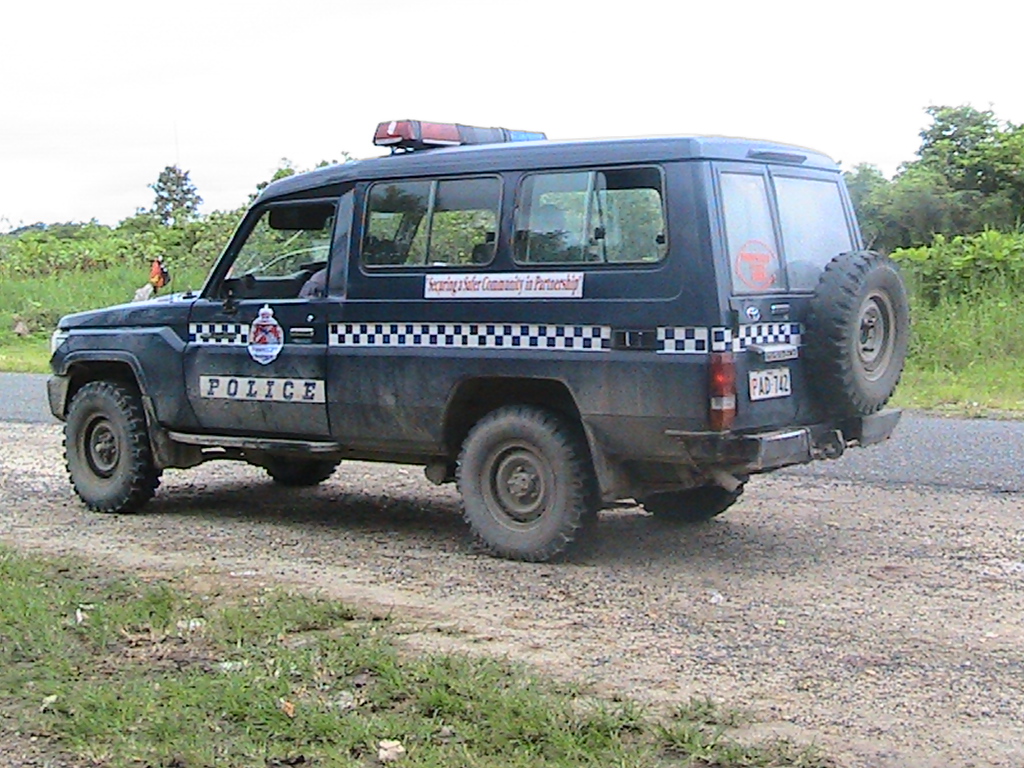


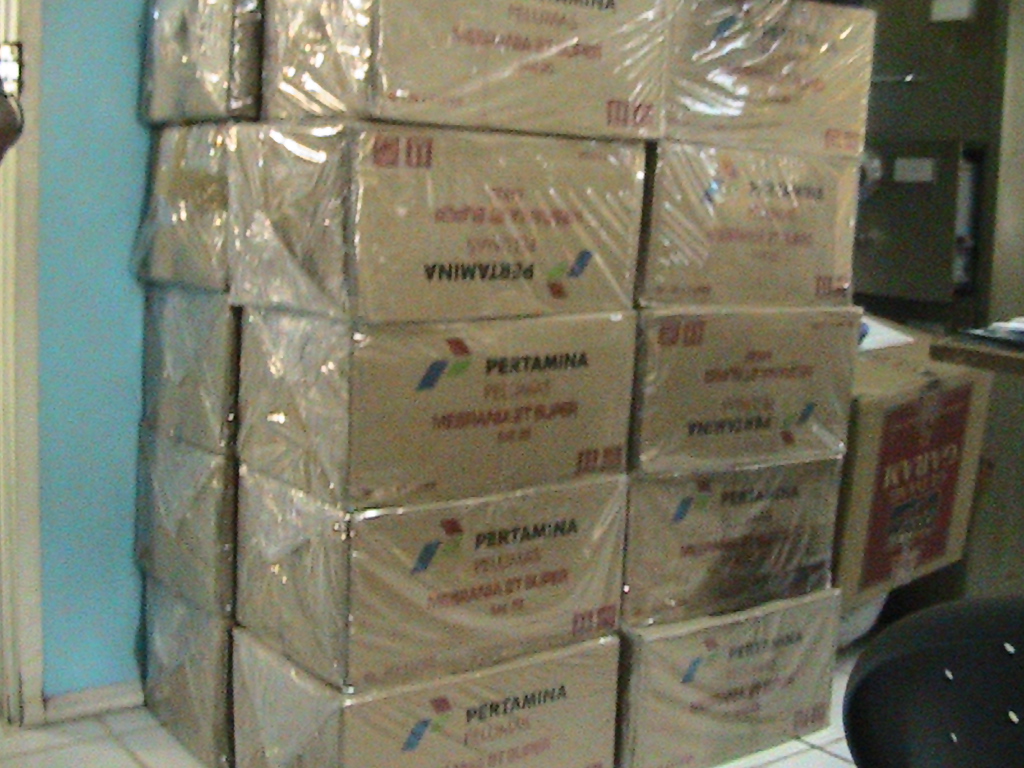
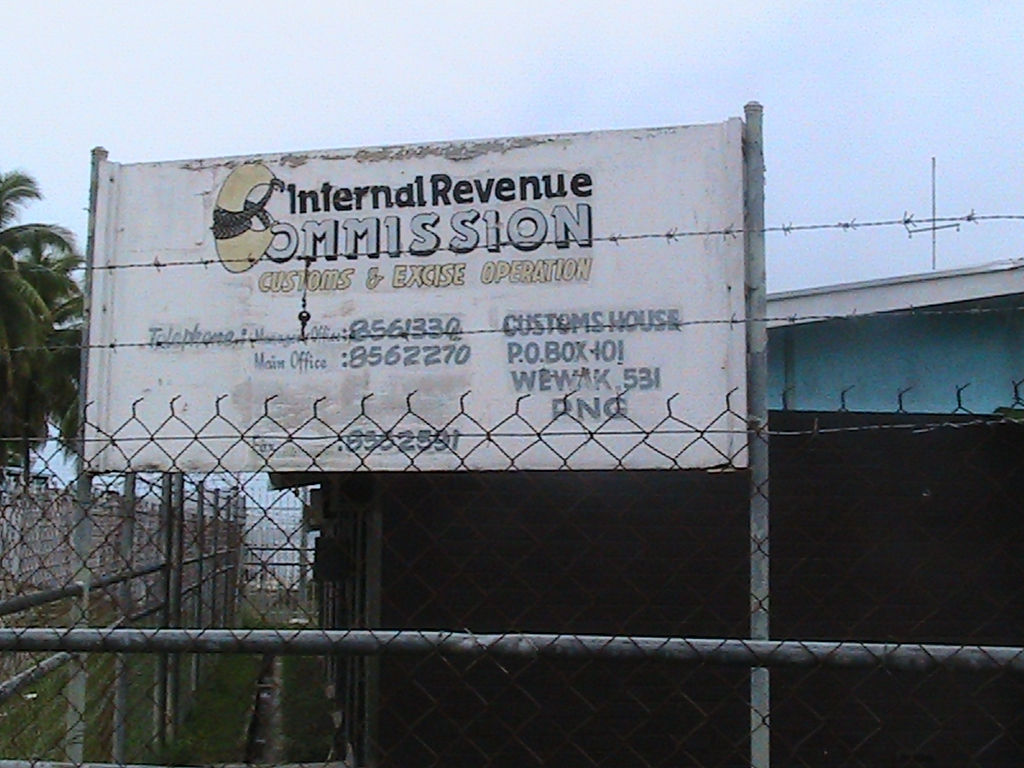
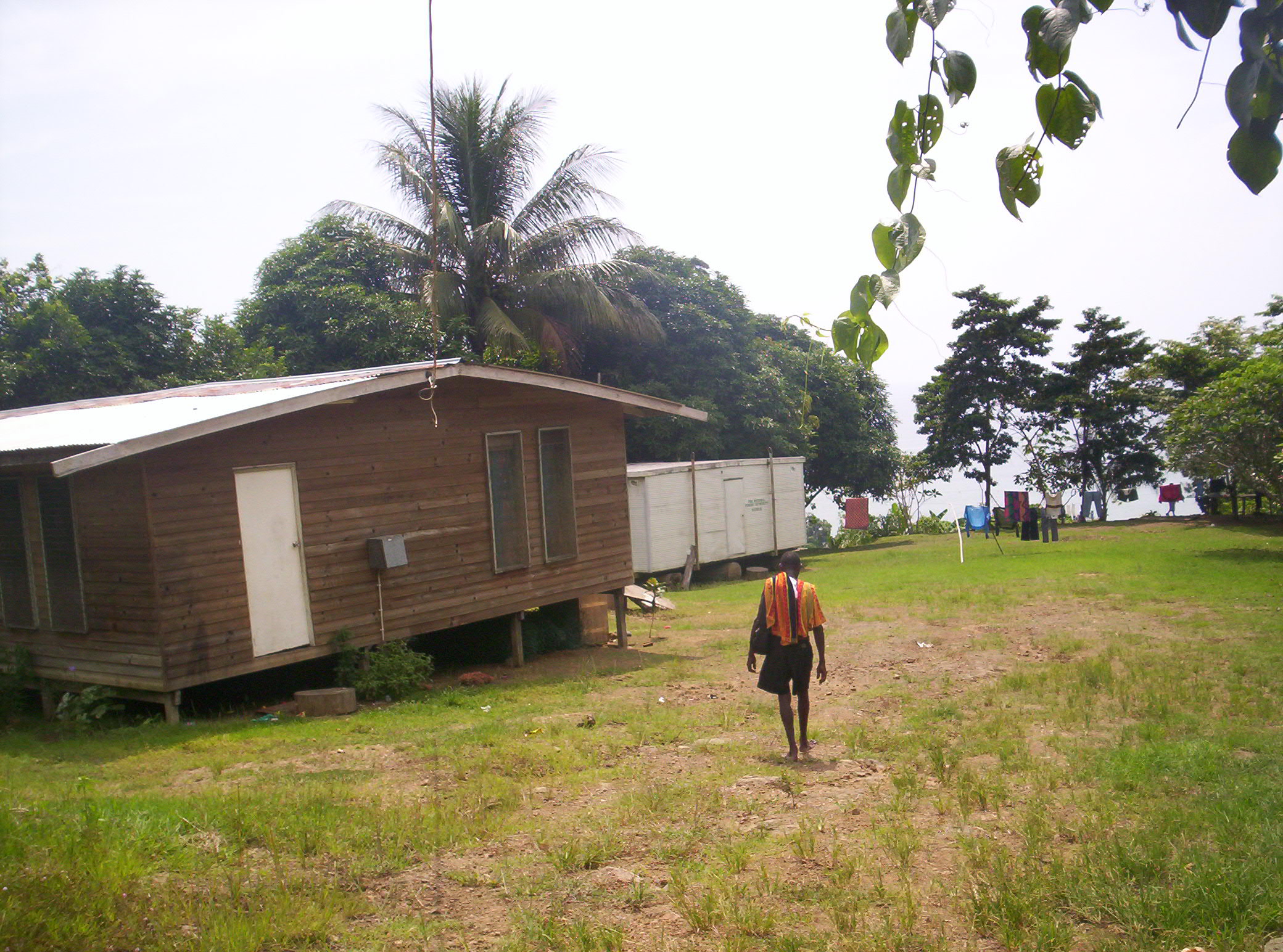
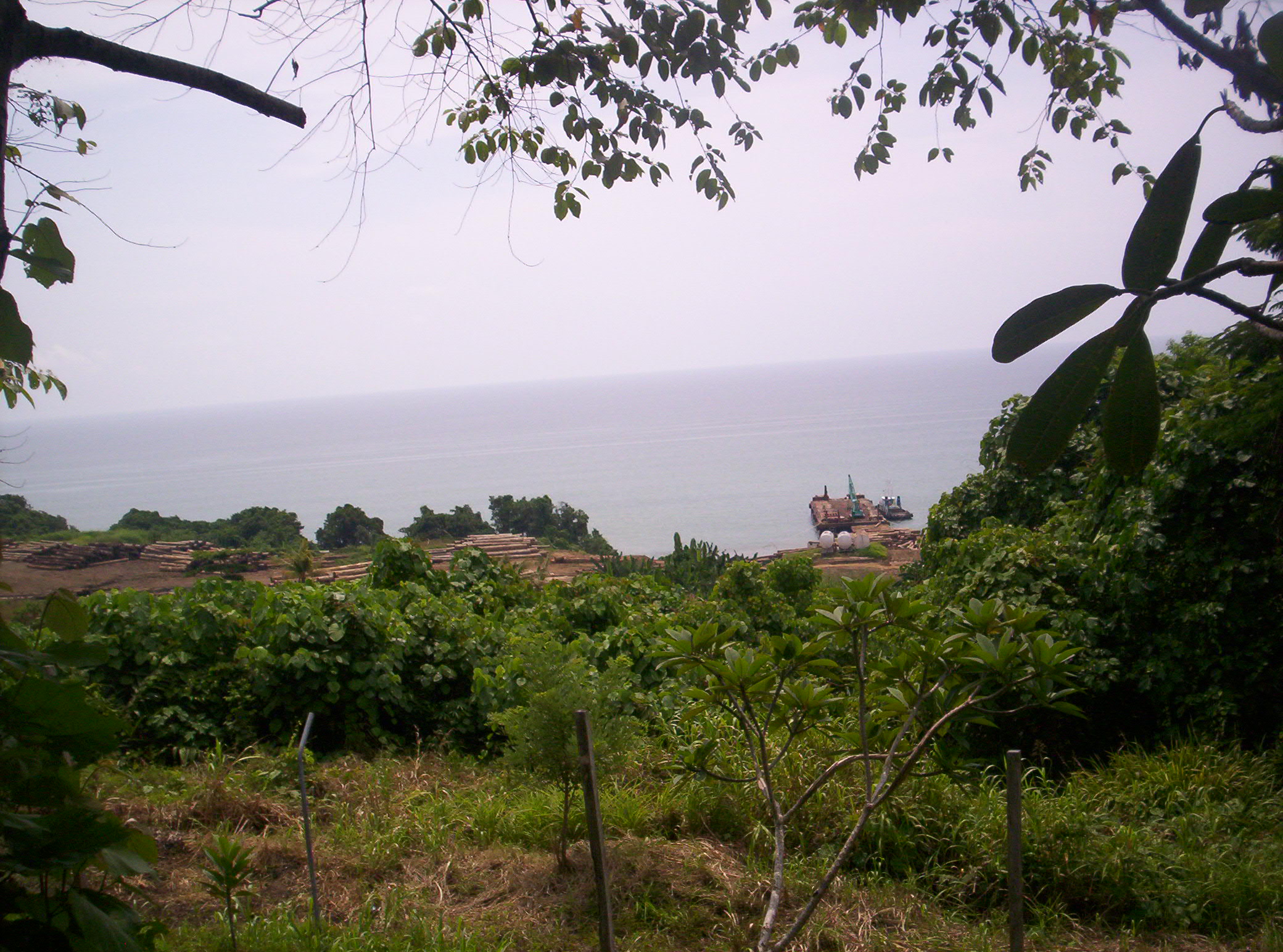

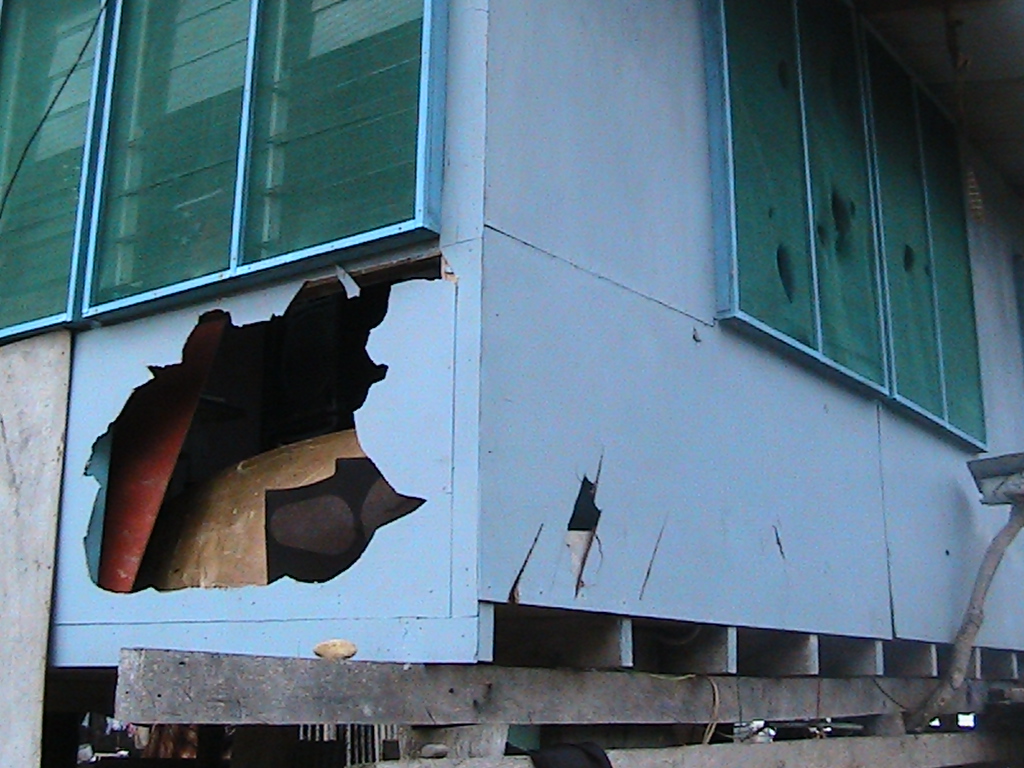



 West Papua Media Alerts