Muridian Widjojo passes on: Papua Mourns.

by Elias Ramos Petege at Majalah Selangkah

March 8, 2014

Opinion

The people of West Papua are in mourning after hearing of the death

Muridan Widjodo at the International Coalition for Papua conference, World Council of Churches, Geneva, September 2013 (Photo: West Papua Media)

of Dr Muridian Satrio Widjojo, the Co-ordinator of the Papua Peace Network in Jakarta and also a senior researcher at the LIPI’s Political Studies Centre, focussing on National and Local Politics (especially Papua).

The West Papuan people and nation will greatly miss this skilled facilitator between the people of Papua and the Indonesian  government, who has long pushed for a Jakarta-Papua dialogue to be held.  We will greatly miss someone who has done the people of the Land of Papua a great service, and who has worked hard to bring about a dialogue between Jakarta and Papua.

He has also aided us through breaking down the fortresses that have for so long concealed the Papuan People’s suffering, and he was also the one to whisper in the ears of those who have an allergy to words such as ‘dialogue for peace’ as the right path to resolve the conflict between Jakarta and Papua.

Muridan always stood firm in his struggle for dialogue, despite threats.

Because of the persistence of his struggle for dialogue, groups that
didn’t want a dialogue to happen accused him of being a supporter of
Papuan independence.  He was even threatened with being killed because people judged him as meddling with the integrity of the Indonesian State.

On one occasion, when he had made a presentation about the importance of dialogue to resolve the Papuan conflict to a group of generals and ex-generals, he was accused of not being faithful to the Unitary State of Indonesia, and supporting Papua Merdeka.

But Muridan was not afraid of the threats and other challenges he had
to face in the struggle to bring about dialogue.

“As far as I’m concerned, I will never back down as a result of threats
until the two groups (the Indonesian Government and the Papuan people) that have long been in conflict, sit down together at one table to discuss and look for solutions to the Papuan conflict. I don’t speak of Papua Merdeka as the bottom line, or the unity of the Indonesian state as the bottom line, but instead work for the humanity and dignity of the Papuan people to be valued and respected”, he said in a short discussion in his workplace at the end of last year.

News of his death in Depok reaches Tanah Papua

On Friday 7th March 2014 (12:47:11 Jakarta time 14:47:11 in
Papua), Doctor Muridian breathed his last breath in the Mitra hospital
in Depok. The sad news was passed on by Dr. B Shergi, Deacon of the
Social Sciences Faculty of the University of Indonesia and the family
who were at the hospital, via a text message.

This is the message which came to my mobile phone: “Allow us to convey the news that Muridan passed away a few minutes ago, we send greetings of sorrow”.

“The next message came from Yoga, of the Political Study Centre:

Innalillahi wa inna ilahi roojiun, I just received a message from
Muridian’s wide that he passed away a few minutes ago. May Allah receive his soul and pardon his sins.”

Not long afterwards, I was called directly by his family from the Mitra
hospital, to say that Muridian would no longer be with us. This news was passed on straight away to all kinds of people throughout our homeland of West Papua, especially religious leaders, academics and human rights workers that supported and fought for a dialogue between Jakarta and Papua.

They also responded to share their condolences. Here are a few of the
messages I received.

The first message of condolence came from the Chair of the Executive
Board of the Fellowship of Baptist Churches in Papua, Reverend Sofyan Yoman. “We express our condolences at his passing and we pray for the family he leaves behind, that they will find comfort and strength from God.”

The deputy chair of the synod of the Evangelical Christian Church in the Land of Papua, Rev M. Adadikam also sent a message, “We express our sorrow at Muridian’s death, we pray that his soul will be received by God the Father in Heaven and that He will give strength and tenacity to the family he leaves behind.”

Another note of came from a young academic from Cenderawasih University, Yustinus Butu: “We express our grief at the passing of Muridian, respected researcher and facilitator of dialogue between Jakarta and Papua, now the people of Papua are in mourning but those that are opposed to the dialogue agenda will surely be happy about this news”, he said in tears.

Another message of sorrow came from Markus Haluk, a Papuan human rights activist, “We the people of Papua mourn the loss of Muridian, and pray that the Papuan people will accompany him and give strength to the family he leaves behind.”

Many more messages of sorrow were received from people from all corners of the Land of Papua.

Who was Doctor Muridian Widjojo?

His full name was Muridian Satrio Widjojo, Senior Researcher at the
Political Studies Centre of the Indonesian Institute of Sciences (P2P
LIPI) and observer of Papua, was born in Surabaya on 4th April 1967. He finished his doctorate at the University of Leiden in the Netherlands in 2007, with a thesis titled “Social Movements in Papua and Maluku”, after finishing a Masters degree in Anthropology in the University of Indonesia in 2001 with a thesis about the movement of the Amungme people. His first degree was in French literature in the University of Indonesia (1992)

He was active in writing opinion pieces for national and international
newspapers and magazines and spoke or facilitated international forums for example in the Philippines, Netherlands, Britain and Luxembourg. He is the author of two books: Trust building and Reconciliation in Papua (LIPI) 2006 and Papua Road Map (Negotiating the Past, Improving the Present and Securing the Future), 2009).

‘Selamat Jalan’ to a Hero of Humanity in Papua

We, the whole people of West Papua express our grief at your departure, you left us before dialogue could happen. We are very sorry to have lost your physical presence, but we are sure that your soul and your spirit will live on in the hearts of the Papuan people.

Our prayers, as the people of West Papua, are with you, and we hope that all-holy God will receive your soul and forgive all you sins and give strength and resilience to the family you leave behind. Rest In Peace.

Muridian, who was born on 4th April 1967 in Surabaya, died from
complications in a disease he had been suffering from for some time.

Elias Ramos Petege is a Papuan Human Rights Activist

Translated by awasMifee

Historic united front in Papua defies police dispersals, supporting Vanuatu PM call on UNHRC in Geneva to address West Papua issue

News wrap-up

March 4 2014

from the West Papua Media correspondents in Jayapura and Geneva, with local sources

A broad united front of disparate Papuan civil resistance groups has come together to hold Peaceful gatherings across West Papua, in support of  Vanuatu Prime Minister Moana Carcasses’ call for international action on West Papua at the United Nations Human Rights Council in Geneva today.

PM Carcasses used his ten minute address at the High Level segment of the 25th Session of the UNHRC to reiterate a call made at the UN General Assembly last September, for the UN to establish a specific Country Mandate on the situation of human rights in West Papua and to revisit honestly its role in the fraudulent Act of Free Choice of 1969.

The Vanuatu PM, long a champion for his fellow Melanesian’s right to self-determination in West Papua, used an impassioned speech to highlight “grave injustices facing West Papuan people” and to demand the international community take concrete action to end the suffering.

“In a world so closely connected with innovative technology, there should be no excuses about the lack of information on human rights violations that have plagued the Papuan people for over 45 years.  Search the Internet and research papers by academic institutions and international NGOs, and you will find raw facts portraying the brutal abbuse of the rights of Melanesian people in Papua,” Carcasses noted.

The Prime Minster beseeched the Human RIghts council.  “But why are we not discussing it here in this Council?  Why are we turning a blind eye to them and closing our ears to the lone voices of the Papuan people, many of who have shed innocent blood because they want justice and freedom.  Many are the martyrs that have been persecuted and brutally murdered because they carry the unspoken fears of the millions now living in fear in the valleys and lofty mountains of Papua.  They are demanding recognition and equality and a respect for their human rights and to live in peace.  Will this August council hear their cries and now go forward to protect their human rights and put right all the wrongs of the past?”

Carcasses told the UNHRC that “The mandate should include the investigation of the alleged human rights violations in West Papua and to provide recommendations on a peaceful political solution in West Papua.”

Earlier on Tuesday in West Papua, the vibrant gatherings  – organised by university students and supported by a broad coalition of civil society and pro-independence groups – were predictably dispersed forcefully by Indonesian occupation forces, however organisers claimed success in expressing their aspirations peacefully and without bloodshed.

This slideshow requires JavaScript.

Significantly for the struggle for self-determination in West Papua, the participant groups included the widest range of Papuan resistance components seen together for over ten years, with the united front coalition pulling together previously opposing groups under a common banner of supporting the Vanuatu Prime Minster’s efforts to get West Papua on the international agenda. Activists and leaders from the West Papua National Authority, National Federated Republic of West Papua, West Papua National Committee, the Papuan Women’s Movement, Papuan Traditional Council (DAP), West Papua National Coalition for Liberation, GaRDA-Papua , FRONT PEPERA , The Street Parliament (PARJAL), Papuan Student Movement (GEMPAR or “Uproar”), AMPTPI (Association of Central Highland Papuan Students), KMPB (Coalition of Papuan students Rise!), Papuan Students Alliance (AMP), Christian Youth Solidarity Papua (SKK-P), Papuan People’s solidarity for Democracy and Human Rights (SHDRP), all agreed to support the UNHRC support action being coordinated by the Student Executive council at Cenderawasih University in Abepura.

Led by University and high school members of the Movement of Papuan Students (GEMPAR or “UPROAR”), the mass gathered early on Tuesday morning in front of the the Cenderawasih University (Uncen) campuses at Waena and Abepura, erecting a large banner that read “The people of West Papua nation, support the Government of Vanuatu pursuing violations of human rights committed by the Government of Indonesia in West Papua”.  Speeches were made outside the campus entrance until 1025am local time, when Indonesian police from Jayapura station attempted to forcibly disperse the protesters listening to speeches.

According to witnesses, over a hundred Police in 6 trucks, 1 Panzer and 1 Police Bus were on standby, and were heavily armed.  However as the  group of students passed towards Waena, Police from Sentani and Jayapura amassed at the field of They Eluay’s tomb with a full unit of motorcycle commando police (Gegana), eight trucks and three armoured cars.  A platoon of heavily armed Brimob police at Post 7 Sentani completed the kettling of students to keep them confined.

Every place throughout the Waena, Sentani and downtown Jayapura  was guarded by several platoons of heavily armed Brimob police to prevent students and protestors from gathering.  An organiser told West Papua Media’s stringer, “This is a police action in Papua that prohibits students to express their opinions, through peaceful demonstration.”

Students then all gathered to rally silently at the UNCEN yard fence and spread a large banner, displaying  photographic evidence of Indonesian Security force’s violence against Papuan People.

An academic at UNCEN, Seth Wambrau, told the gathering, “These police officers, silencing democracy in Papua, this is the example that there is no freedom for students to express opinions freely, it is proving colonialism in Papua is happening.. Special autonomy is specific to the officials of Papua, not the Papuan people!”

The events were ended by Gempar peacefully in the afternoon with no arrests.

Further manifestations occurred in Fak-Fak on the west coast, Merauke on the south coast, and in Manokwari, according  to local reports.  The Fak-Fak gathering included a deeply sacred traditional pre-Islamic indigenous thanksgiving prayer and coffee ritual for the UNHRC plea for international attention to West Papua by Vanuatu Prime Minister Moana Carcasses Kalosil.  Members of the West Papua National Committee (KNPB) and Regional People’s Parliament (Parlemen Rakyat Daerah, PRD) provided a security cordon to enable traditional elders and chiefs in Mamur village,  Kramomongga district to hold ceremony in support of the Vanuatu delegation’s efforts to bring the world’s attention to West Papua.

According to a description from KNPB participants of the ceremony, the elders then rejected wholly the powers of darkness and evil of all the Indonesia’s power system in West Papua. “After all this ritual is done, then the placenta from the Child returned to the Land, the mother land West Papua, who gave birth to all things, and all life is God’s nation of West Papua. Then all the evil forces of the Republic of Indonesia in Papua were symbolically collected by Mr. Haji Idris Papua Patiran, and were discarded by KNPB security, at least 100 meters from where the activity was taking place in Mamur,” the witnesses described. A procession then occured with a ritual washing of all gathered with the “water of life, in order to reconcile all the people with nature and clean the whole self of any desire to be children of the mutually hostile land.” a sacred representation of the West Papuan desire for independence. The ceremony was finished by the ritual serving of coffee.

The new West Papuan People’s movement (WPM’s term due to lack of official name) united front released a joint statement detailing the litany of suffering of West Papuan people, and demanded:

1 . People of West Papua are demanding to exercise the right of Self-Determination as recognised by the United Nations Declaration of Human Rights
2 . The UN must immediately take responsibility for the violations of human rights that have occurred in West Papua.
3 . People of West Papua ask the UN Human Rights Council to immediately form a special team to investigate all human rights violations in West Papua
4 . People of West Papua urged MSG member countries, specifically Vanuatu, to send a special team to examine and investigate cases of human rights violations that occurred in the region of West Papua.
5 . People of West Papua urge UN member States to immediately urge the Indonesian government to open up democratic space in West Papua.
6 . People of West Papua are asking the UN for the legal protection, over the application of the Wanted Persons List (DPO) to Buchtar Tabuni (chairman PNWP) and Wim Rocky Medlama (Spokesman KNPB), and all West Papuan independence activists.
7 . People of West Papua thank the People and the State Government of Vanuatu for the willingness to bring issues of human rights violations to the UN Human Rights Council in Geneva.

Below: Videos from today’s gathering in Abepura. Credit KNPB/Nesta Gimbal)


westpapuamedia

Photo Essay: JPIC reveals abuses at Mam plantations of PT Dongin Prabhawa

A Report of a Visit to PT Dongin Prabhawa’s Plantation at Mam from our partners at AwasMifee and JPIC.

February 19, 2014

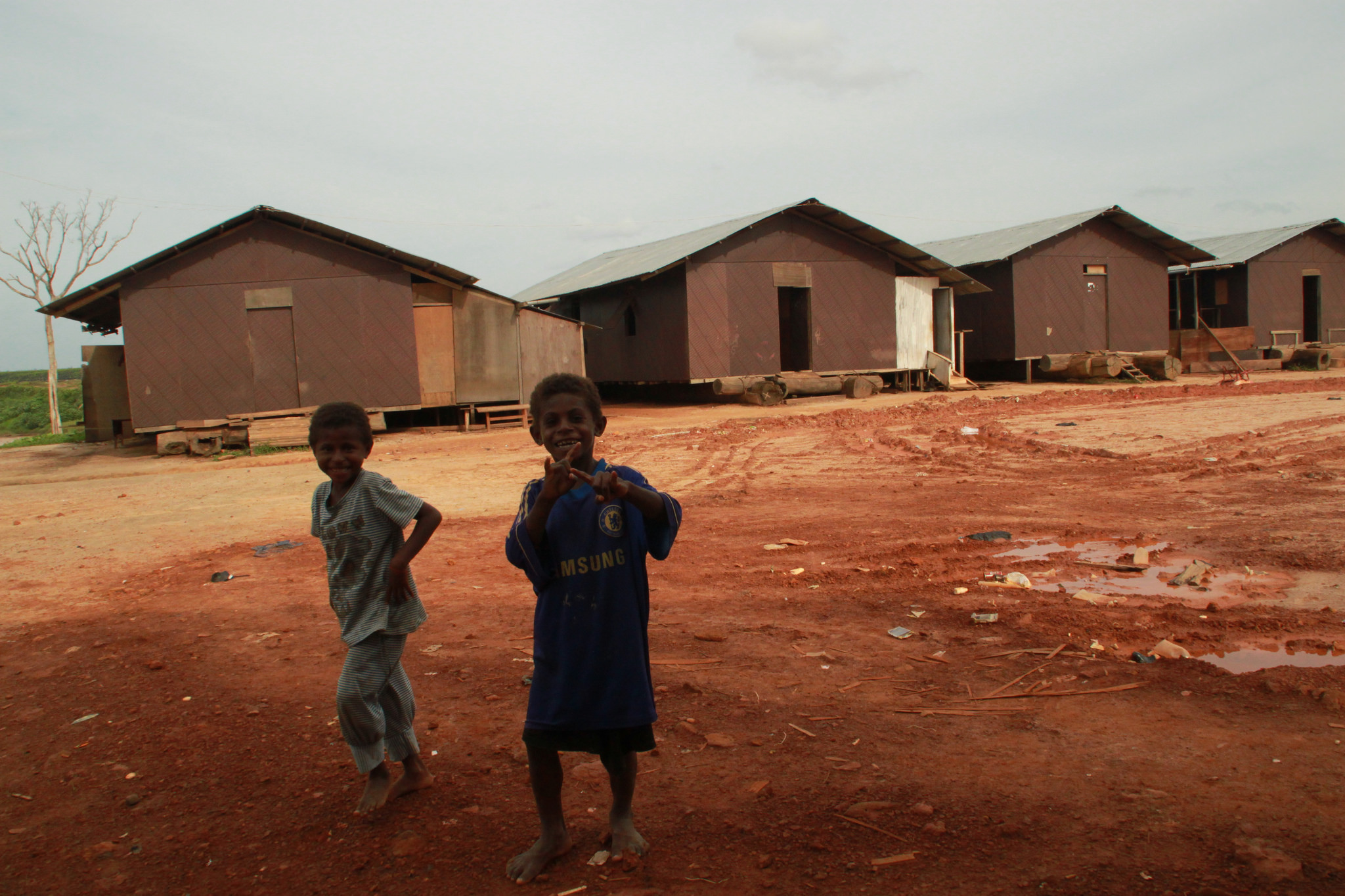
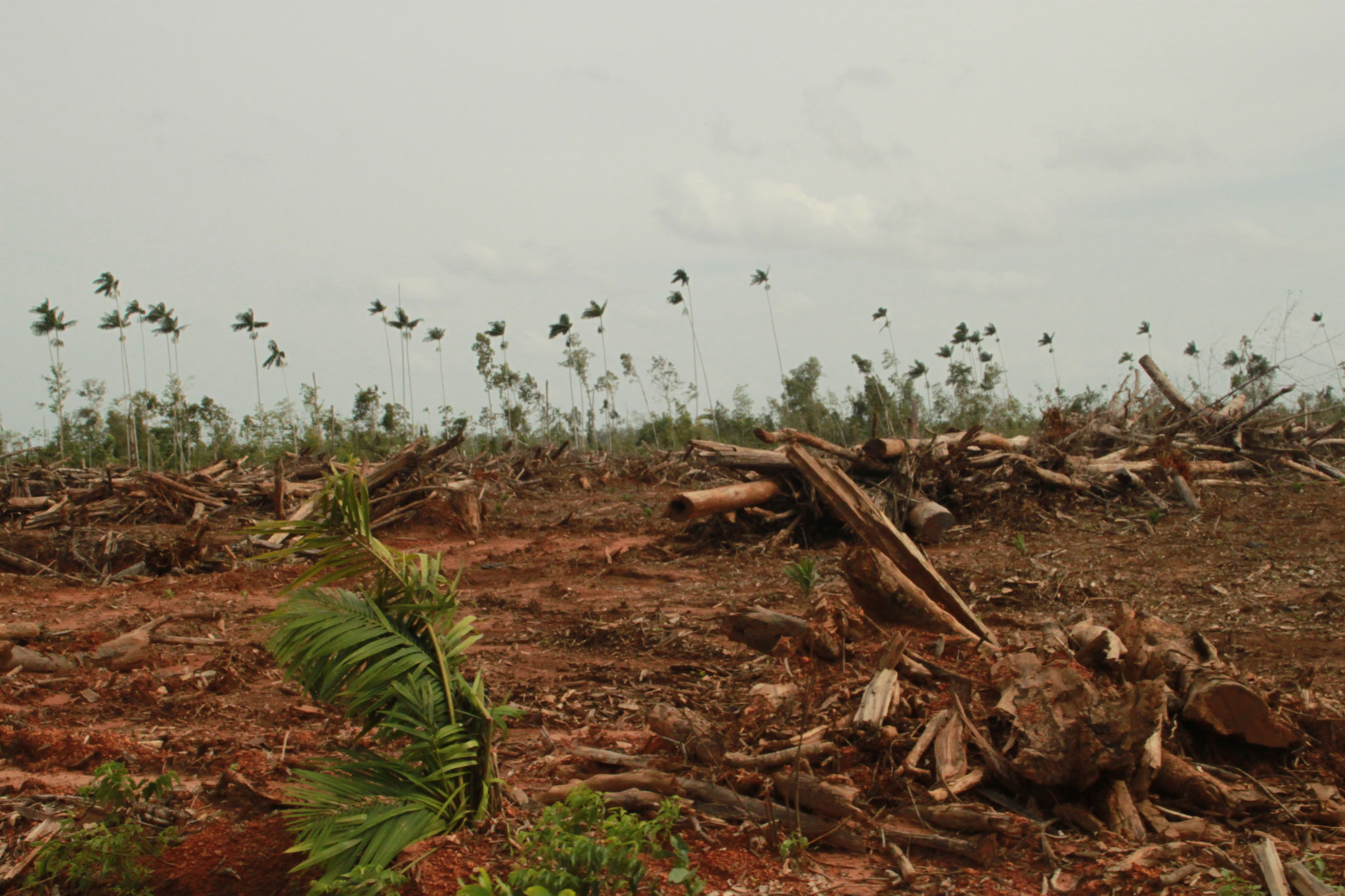
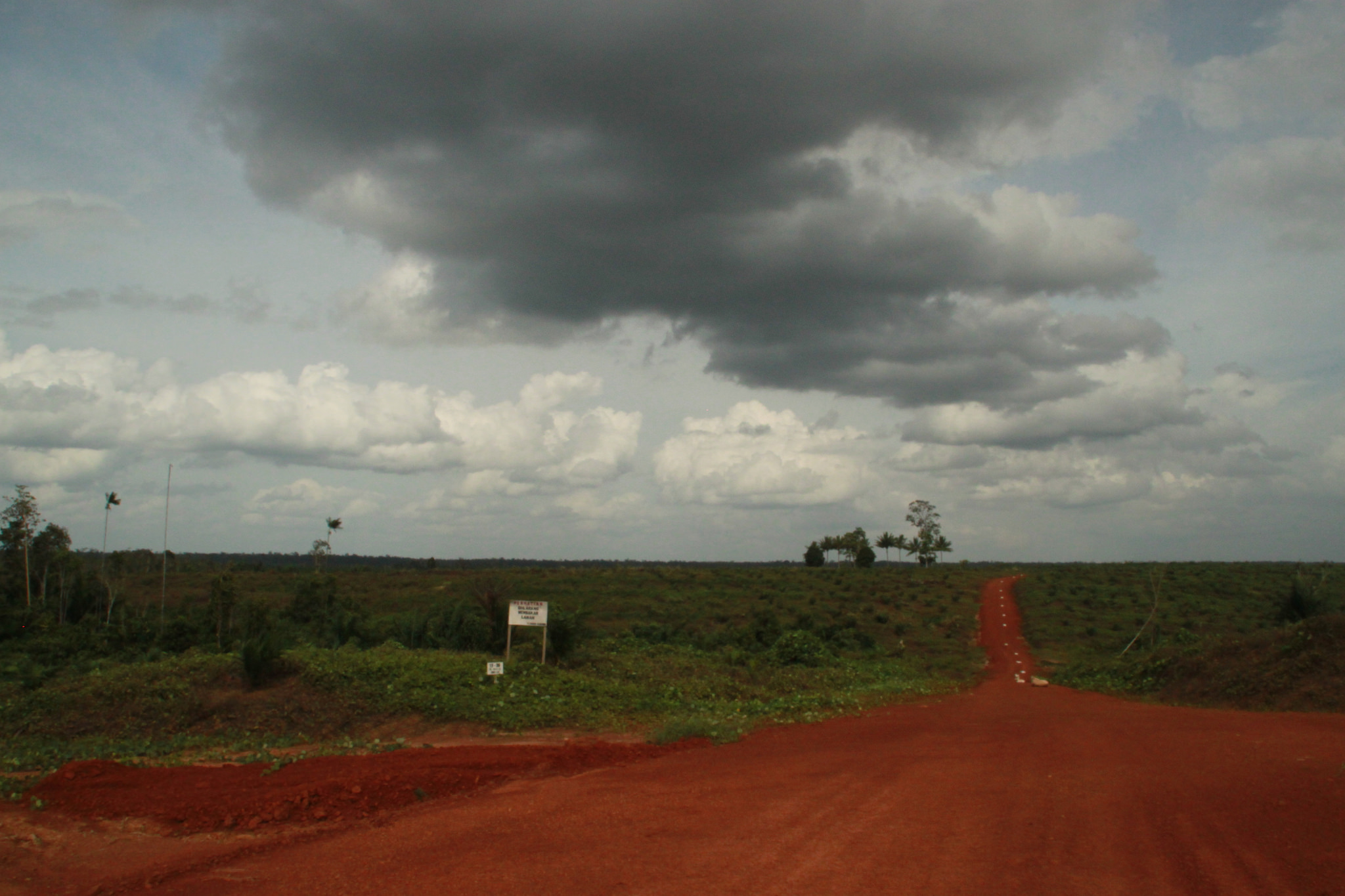
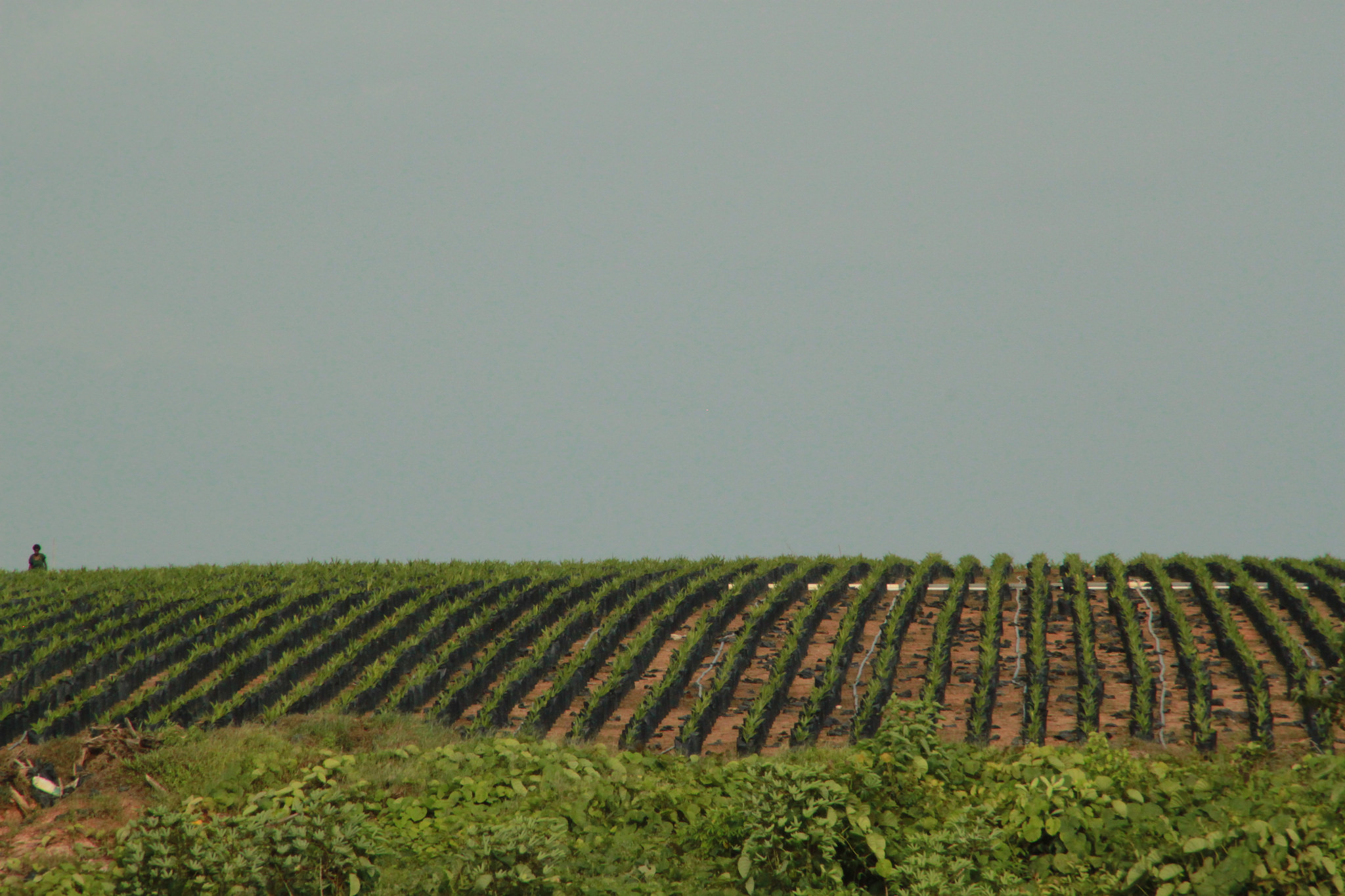
mam6A recent visit to Mam to monitor the latest developments around PT Dongin Prabhawa’s oil palm plantation near the south bank of the Digoel River in Merauke has revealed several concerns, from irregularities in the logging plan and ill-treatment of workers to human rights abuses.

PT Dongin Prabhawa is a subsidiary of the Korindo Group, which has several other oil palm and forestry businesses along the Digoel River.

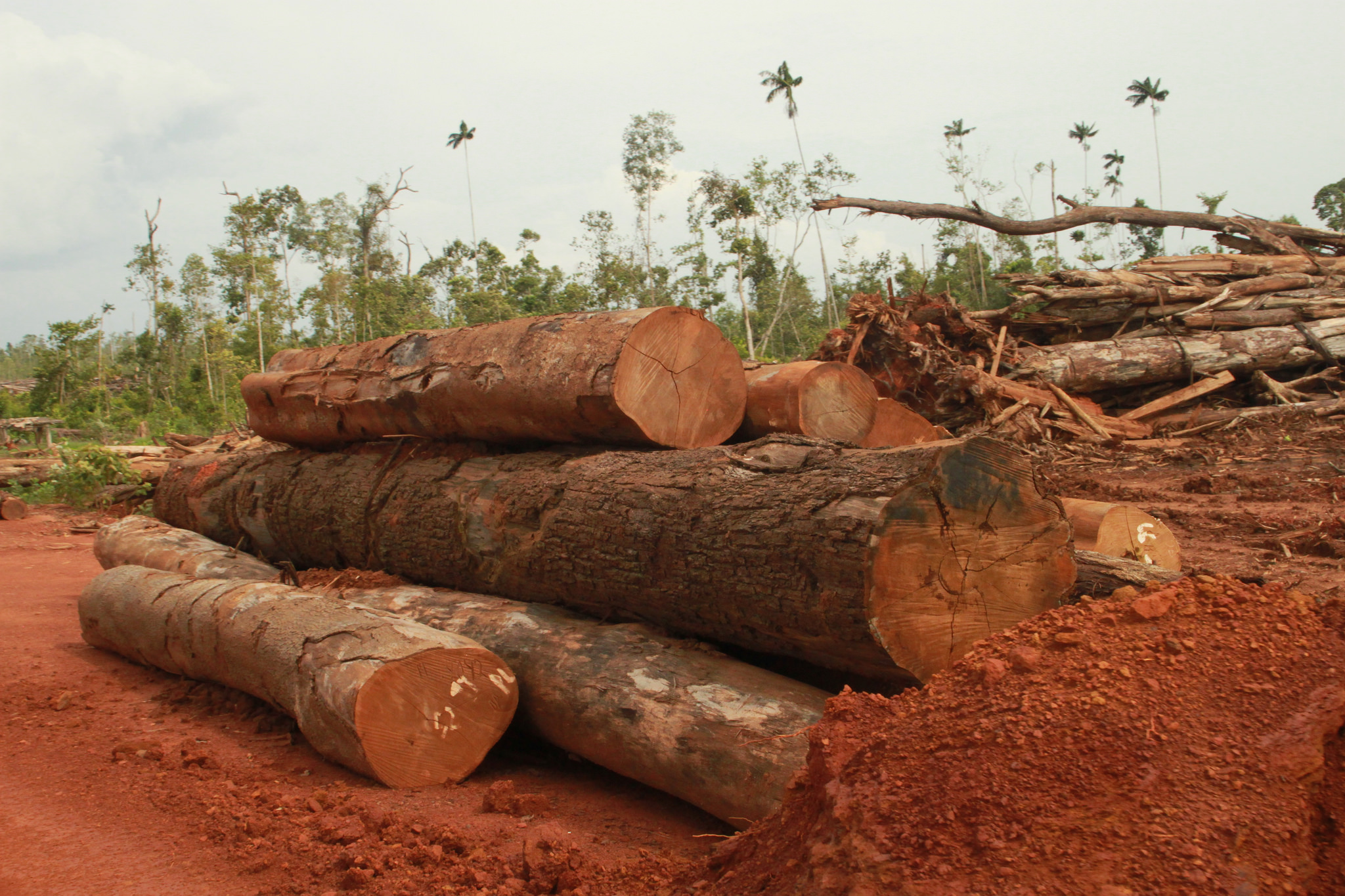
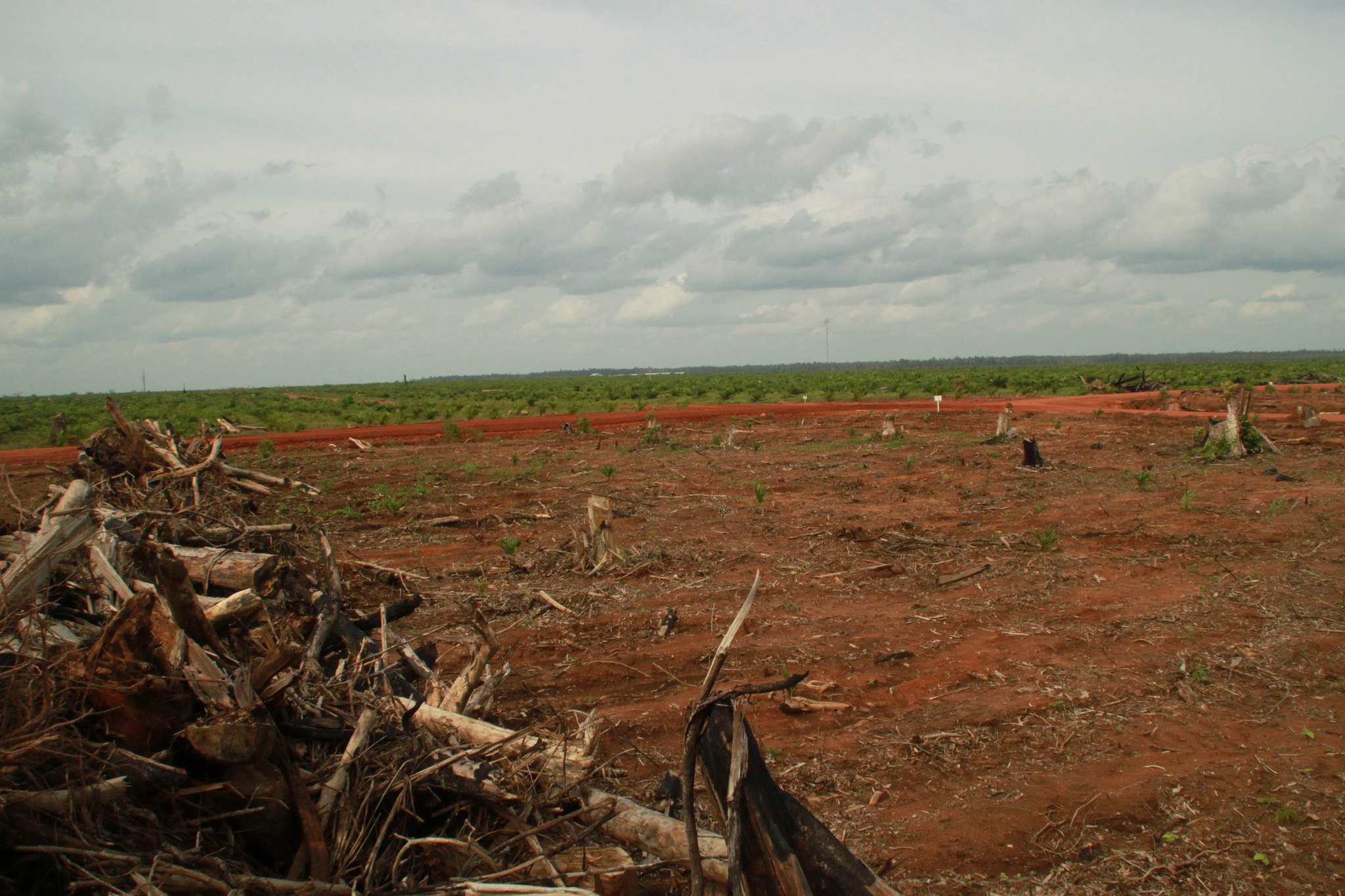
The monitoring by JPIC MSC Indonesia revealed that PT Dongin Prabhawa had been clearing the forest and taking the wood on barges to Korindo’s plywood factory upriver in Asiki.  An employee working as logging coordinator claimed that there were some irregularities in the work – the company was supposed to only log the areas assigned in its 2012 annual work plan during 2013, but actually logged the areas in the 2013 work plan as well. Although logging was not currently taking place at the time of the visit, logs were piled up in several places, including three log piles at the port. In other parts of the concession oil palm had already been planted.

The presence of police and military in the area were giving cause for concern. It was reported that on the 12th December 2013, two policemen from the Okaba police station who were assigned as security for PT Dongin Prabhawa at Mam, confiscated liquor from three local vendors after a search. The three local people were ordered to report regularly to the police station, but the police officers resold the alcohol to local customary landowners, also getting drunk with them.

Gambling with dice also takes place around the PT Dongin Prabhawa plantation and two police officers are involved in this. Addiction to gambling and alcohol often causes serious social problems in indigenous communities and so it is highly irresponsible of the police to promote such practices, and make money from them.

The Indonesian Army and Navy are stationed at Bade, a 30 minute speedboat ride away across the river. As has previously been reported, several young men, who may have been drinking, have recently been arrested and beaten up by the military in this area.

Another case of abuse by the military was reported on 13th February. It was claimed that the previous day a company employee originally from the Kei islands in South-East Maluku, was arrested in PT Dongin Prabhawa’s Division Two and tortured by a member of the Army.

There was also evidence of a worrying disregard for worker’s health and safety. Workers stationed at Division Two are drinking water from holes dug by diggers. The workers have complained about this. What is worse, chemical fertilizers are being used close to these water sources.

During the last three months (December to February) PT Dongin Prabhawa had not given either contracted nor casual workers the foodstuffs they were entitled to.

Some photos of the area are shown below, taken in January/ February 2014. All photos courtesy of WF from Papuan Voices and JPIC MSC Indonesia.

You can view the entire set here also at Flickr https://www.flickr.com/photos/103590506@N06/

mam5 mam4 mam3 mam2 mam1

SKP: An Oil Palm Plantation is Threatening the Kamoro People in Mimika

from Bintang Papua

February 15, 2014

The Justice and Peace Secretariat (Sekretariat Keadilan dan Perdamaian – SKP) of Timika Diocese in Papua are worried about how the environmental impacts of PT Pusaka Agro Lestari clearing forest for an oil palm plantation could affect the survival of the Kamoro people along the coast of Mimika Regency.

The co-ordinator of SKP in the Timika Diocese, Saul Wanimbo, told the Antara News Agency on Thursday that clearing the forest near to Iwaka and as far as the headwaters on the Timika-Paniai road to make way for PT PAL’s oil palm plantation could affect the Kamoro people’s survival.

The Kamoro people have always relied on sago palms, canoes and rivers, the key elements of their continued existence.

“I can’t imagine how it will be for the Kamoro people living along the shore in five to ten years time. They are bound to suffer as a result of the presence of oil palm upstream,” said Saul.

He said that the SKP Timika Diocese was in the process of compiling the necessary data and information to hold a seminar on the effects of oil palm investment in Mimika, to which they would invite experts and government bodies.

Based on the experience of Keerom, Jayapura, Manokwari and Sorong, where oil palm has been developed since the 1980s, he said, this industry brought absolutely no economic benefit to Papuan indigenous communities.

“We want to ask what benefits oil palm has brought to build up the economy of Papuan indigenous people over the years? Not one Papuan has seen a positive economic improvement as oil palm plantations have moved in,” said Saul.

According to him, the lack of economic benefits which indigenous Papuans have received from oil palm is due to the Papuan methods of farming, which are still very traditional if compared to other areas. Farmers in Papua, he says, are not yet familiar with techniques of permanent cultivation, and still keep shifting their cultivated plots from one area to another.

As well as this, he said, the majority of ethnic groups in Papua still rely foodstuffs that they obtain from the natural environment .

If forest areas are destroyed, felled in the interest of new oil palm plantations, then the ecosystem which supports the people’s livelihood will be damaged or even lost for ever.

“We are asking that local government act wisely and treat this problem seriously. Maybe the effects are not yet visible, but in a few years we will reap the problems. The government must be firm and put a stop to this investment if it doesn’t want the people to suffer”, said Saul.

He added that SKP groups throughout Papua have declared war on oil palm investment because it also provides no benefits for forest conservation.

Despite several workshops and seminars to which experts and decision-makers were invited, local governments in Papua seem incapable of taking on investment in the guise of oil palm.  According to data from the Mimika forestry service, PT PAL plan to develop a 38000 hectare oil palm plantation from Iwaka District to West Mimika District.

The company is in possession of a cultivation rights permit (HGU) from the government and a permit to operate from the Mimika Bupati since 2007.

English Translation by awasMifee

[awasMIFEE note: In 2011 PT Pusaka Agro Lestari was bought by the Noble Group, a company which trades in agricultural commodities, and has only recently started investing in oil palm plantations. PT Pusaka Agro Lestari is its second plantation in Papua, after PT Henrison Inti Persada in Sorong]

Blasius Sumaghai beaten by Indonesian Navy Officers in Bade, Mappi

February 20, 2014

from our partners AwasMifee, Majalah Selangkah,plus trusted sources in Mappi interviewed by both AwasMifee and West Papua Media

Mappi, Majalah Selangah – Blasius Sumaghai (23 years old), a resident of Bade village, Edera District, Mappi, Papua has been beaten by members of the Indonesian Navy. The reasons for the beating were not clear.

According to information compiled by majalahselangkah.com, Blasius
Sumaghai, the son of the late Abraham Sumaghai who was an Awyu community leader, was beaten by several Navy officers on the 26th January 2014. The beating meant that Blasius Sumaghai was unable to walk for four days. He is still in a fairly serious state of trauma.

This slideshow requires JavaScript.

The incident reportedly started as Blasius Sumaghai was seated outside a kiosk on Jalan Duyumu in Bade Village. Suddenly two Navy officers who were stationed at the Bade Navy outpost showed up. They showed no initial courtesy, just directly started striking the victim on his back and chest using the butts of their rifles

After the beating, our source said that the victim was brought to the
Navy outpost on a motorbike. On arrival at the outpost, he was beaten
over his whole body using rifle butts and hosepipes.  He suffered serious injuries.

It is reported that Blasius Sumaghai is not the only person to have suffered violent harrassment at the hands of the Navy.  Yustinus Akabagaimu, the 27-year-old son of local teacher Xaverius  Akabagaimu, has also been beaten up without any clear reason.

Yustinus is currently unable to walk as a result of the beating he
received. Several victims of harassment are unable to bring a case
against the perpetrators either because of fear or because they don’t
know to whom they should bring their complaint.

Majalah Selangkah‘s credible informant has said that that members of the security forces have often carried out beatings of young men in Bade when residents have reported that the men have done something wrong.

“But that’s what the police are for. What is Bade Police station doing?
The police are clearly tasked with maintaining law and order. The Navy’s role is to fight wars against other countries. Why should the navy take over the Police’s job right in front of their face? It’s very strange”, said the aforementioned source, sounding surprised.

The police in the Bade Police Station reportedly cannot be counted upon to maintain law and order in the area. As the community were celebrating Christmas 2009, the festive season which should be full of happiness was tainted by the murder of a young local man, Stefanus Silooy (38). He was killed by three police officers. This incident ended up with the community destroying the local police station.

In fact, a naval outpost in Bade is not strategic for national defence, because Bade is located on the shore of the Digoel River, and not on the coast. The town should really be guarded by a water-borne police unit.

So why is the Indonesian Navy present in Bade? Actually they are there to demand tribute from plywood and palm oil companies:  the Korindo group in Asiki which has been operating since the nineties and PT MAM* which has recently commenced operations near Bade.

Bade is a strategic port town, because all the plywood and Crude Palm Oil produced by PT Korindo in Asiki can only be transported by one route, the Digoel River. Bade represents the entrance and exit to this river system.

Source: Majalah Selangkah

[awasMIFEE / WPM note: a source (also in contact with WPM directly)  in Mappi has interviewed the victim and passed on these photos of his injuries, and also a letter from Blasius Sumaghai and his family addresses to the Governor of Papua Province, reproduced below in English. WPM has translated it despite the content being very similar to the Majalah Selangkah article above, and it is worth highlighting that the family request action be taken against the perpetrator and to close down the Navy Outpost.

*The article mentions a company named PT MAM, but this is slightly erroneous. MAM is the name of the location where another Korindo subsidiary PT Dongin Prabhawa has an oil palm plantation. Bade is on the Mappi side of the Digoel river, but lies close to the border with Merauke Regency – PT Dongin Prabhawa’s plantation is also just a few kilometres away.]

Open Letter: And so the Inhumane Cruelty of Indonesian Armed Forces Against Papuans Continues…..

By SOURCE in Bade, Mappi Regency in West Papua

15 February 2014

It seems the bitterly cruel treatment of the Papuan indigenous community by the Indonesian armed forces will never come to an end. This time their cruelty has been unleashed on a young 23 year old man by the name of Blasius Sumaghai from Bade in the regency of Mappi in the far southern region of Papua. The incident involved use of brutal unrestrained violence against Blasius by two members of the Indonesian Marine Corps on 26 January 2014. Blasius is the son of a well known figure from the Awyu Tribe called Abraham Sumagahai and had done no wrong whatsoever that could have given reason for the ruthless attack by the marines. The attack on Blasius left him severely traumatized and unable to even walk for four days following the incident.

The incident occurred when Blasius was sitting in front of a kiosk (at Duyumu Road in Bade) at around 1945 hours on 26 January. Two members of the Marine Corps working at the Bade Post approached him without clear reason and started viciously beating him, striking him across his back and chest with their rifle butts. They then forced him into their vehicle and took him to their military post. They continued to strike him over his entire body with their rifle butts and a hose, leaving wounds over his entire body.

Blasius is by no means the first victim of such cruel tyranny by the Indonesian Marines in Bade. There have been numerous young people from the Bade Papuan indigenous community who had suffered seriously at the hands of the Marines in Bade but whose names cannot be mentioned due to their fears of retaliation. Many have no idea to whom they could possibly safely report things that have happened. To name just one, another 27 year old man Yustinus Akabagaimu (son of the local school teacher Xaverius Akabagaimu) was beaten so mercilessly by the Indonesian Marines in 2013that he is no longer able to walk to this date.

A trustworthy source stated that the brutal treatment of local Papuan youth by the Marines usually occurs due to a citizen having made a report to the Military Post that a certain youth has done something wrong, following which the Marines immediately find and arrest the youth, beating them far beyond the limits of what is humanitarian.

To understand what’s really going on behind these regular incidents of unwarranted violence against citizens, once must question the very existence of a prime Indonesian Military post in Bade. It’s hardly needed for national defense reasons, as Bade is located on the edge of the Digul River. It’s not as if it’s a strategic location bordering with another nation or the like. So why should the second largest base for the Indonesian Marine Corps in the entire southern region of Papua be located on the edge of a river in Bade? The answer lies in the fact that the location enables the forces to demand ‘tribute’ from the nearby multinational plywood and oil-palm company Korindo (in Assiki) and also from a second company which has recently been opened at a location also close to Bade. In terms of Indonesian economics Bade is a key location for these companies as their products are shipped out only along the River Digul. There is not only an Indonesian Marine Corps Post at Bade but also a Police Post, a Regular Military Post (TNI), an Indonesian Army Shore Unit (TNI-AD).

The community leaders of the Papuan community of Bade in response to the frequent violence by the Marine Corps against the indigenous Papuan community, call on the Governor of Papua Lukas Enembe :

i) To immediately take stern disciplinary action against those members of the Marine Corps in Bade who have been unleashing brutal cruelty against the indigenous people of Bade.
ii) To close the Indonesian Marine Corps Post in Bade
iii) To carry out an investigation as to the reasons for the existence of the Marine Corps Post located at Bade on the banks of the Digul River.

Footnote :

Bade is located in the south of Papua in the district of Edera in the Mappi Regency which borders the region of Merauke.

Create a website or blog at WordPress.com

Up ↑